

High GGT, TUDCA and UDCA
UDCA lowers GGT. The CT scan showed the liver fat had not moved. Why a falling number was never the goal.
UDCA lowers GGT. The CT scan showed the liver fat had not moved. Why a falling number was never the goal.
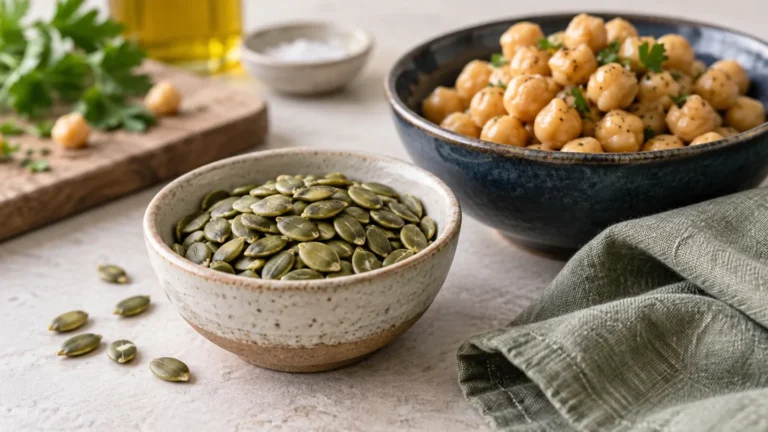
Zinc is an essential trace mineral and a cofactor for hundreds of enzymes, including alcohol dehydrogenase. The liver governs zinc metabolism, so liver disease and low zinc status reinforce each other. Zinc supports antioxidant defence, the gut barrier, immune function and insulin signalling. Found in shellfish, red meat, dairy, seeds and legumes.

These three get discussed as if they were competing products in the same category. They are not. They have three different mechanisms, three different evidence bases, and only one of them is aimed at the way oral steroids actually damage the liver. Comparing them properly means asking two questions of each: what does it do, […]

TUDCA has the strongest mechanistic case of any supplement taken for liver support on cycle. It also has no clinical trial testing it during anabolic steroid use. Both of those things are true at once, and most pages on this topic tell you only one of them. Why TUDCA comes up specifically The liver injury […]

If you lift heavily and get a blood test, there is a good chance your ALT and AST come back above the reference range. Most people read that as liver damage. Often it is not – it is the training. This matters more for anyone using oral anabolic steroids than for anyone else, because it […]

The short answer: not in any way that has been demonstrated in humans. Milk thistle is the default liver supplement on cycle, and it is genuinely the most studied herbal hepatoprotective compound there is. But the specific claim – that it protects the liver against oral anabolic steroids in people – has never been tested […]

Fatty Liver Disease (FLD) is a systemic disorder with far-reaching consequences beyond the liver. It disrupts hepatic functions through oxidative stress, inflammation, and insulin resistance, leading to increased risk of cardiovascular disease, type 2 diabetes, and chronic kidney disease. While simple steatosis has a benign course, more severe forms, such as NASH, can progress to cirrhosis and liver cancer.
Gallstones are more common in people with fatty liver, and the two share risk factors such as obesity, insulin resistance and diabetes. How bile composition and gallbladder emptying link them, and what research on choline, inositol, methionine and taurine has and has not shown.
Leave your name and phone. We'll call you during working hours: Monday–Friday, 9:00–19:00.