

Hangover Resistance- Insights from Medical Science
Recent peer-reviewed studies have elucidated the mechanisms by which individuals with optimally functioning livers may be less susceptible to hangover symptoms, providing valuable insights into the critical role of hepatic health in alcohol detoxification.
Liver Metabolism of Alcohol- Biochemical Overview
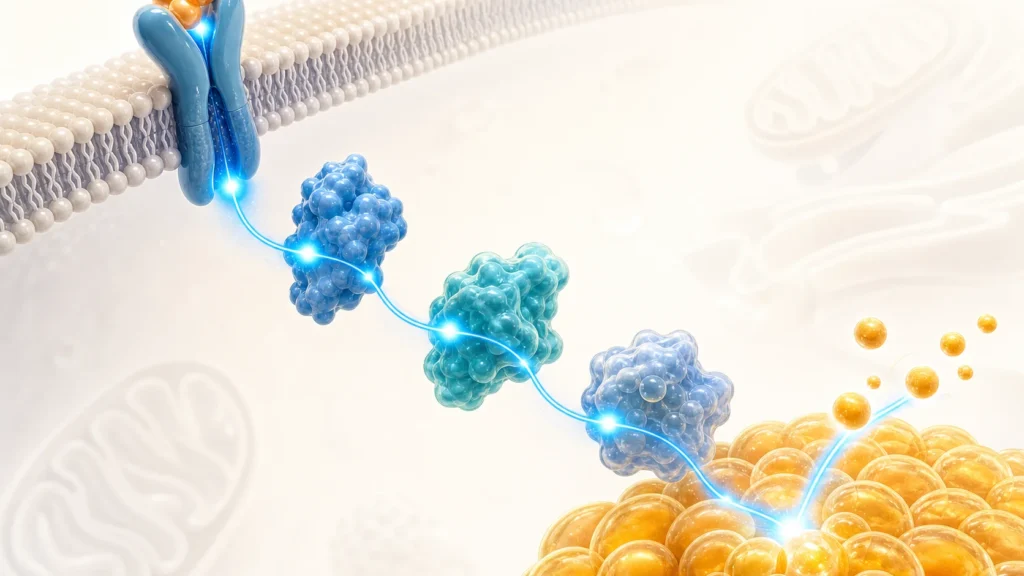
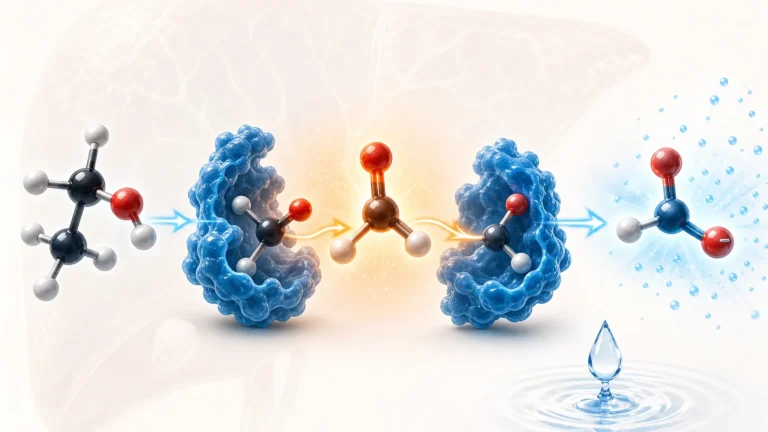
The liver is the primary organ responsible for metabolizing alcohol. The detoxification process involves two key enzymes:
– Alcohol Dehydrogenase (ADH): This enzyme catalyzes the oxidation of ethanol to acetaldehyde, a highly reactive and toxic intermediate.
– Aldehyde Dehydrogenase (ALDH): Acetaldehyde is subsequently converted to acetate, a relatively benign compound that is further metabolized to carbon dioxide and water, which are excreted from the body.
The efficiency of these enzymatic processes is crucial in determining the body’s ability to process and eliminate alcohol, thereby influencing the severity of hangover symptoms.
Genetic Variations and Enzyme Efficiency
Peer-reviewed research has highlighted the significant impact of genetic polymorphisms on the activity of ADH and ALDH enzymes. Variants that enhance enzyme activity can accelerate the breakdown of ethanol and acetaldehyde, reducing the accumulation of these substances and mitigating hangover symptoms. For instance, individuals with highly active forms of ALDH2 experience a rapid detoxification of acetaldehyde, lowering its toxic effects and the associated hangover risks.
The Role of Hepatic Health in Alcohol Detoxification
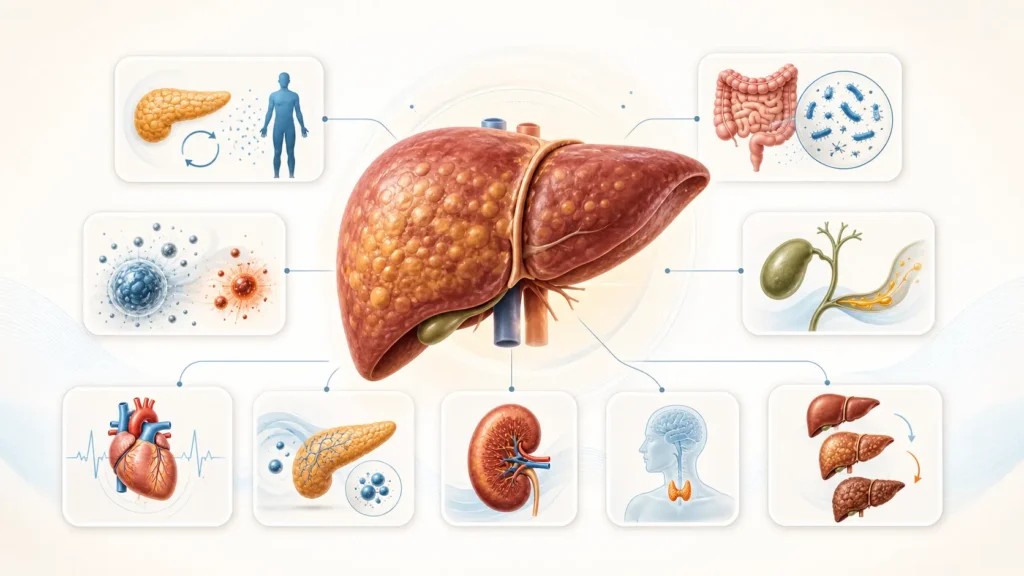
Studies have shown that the overall health of the liver is a determinant factor in its ability to manage alcohol intake. Several factors contribute to liver health:
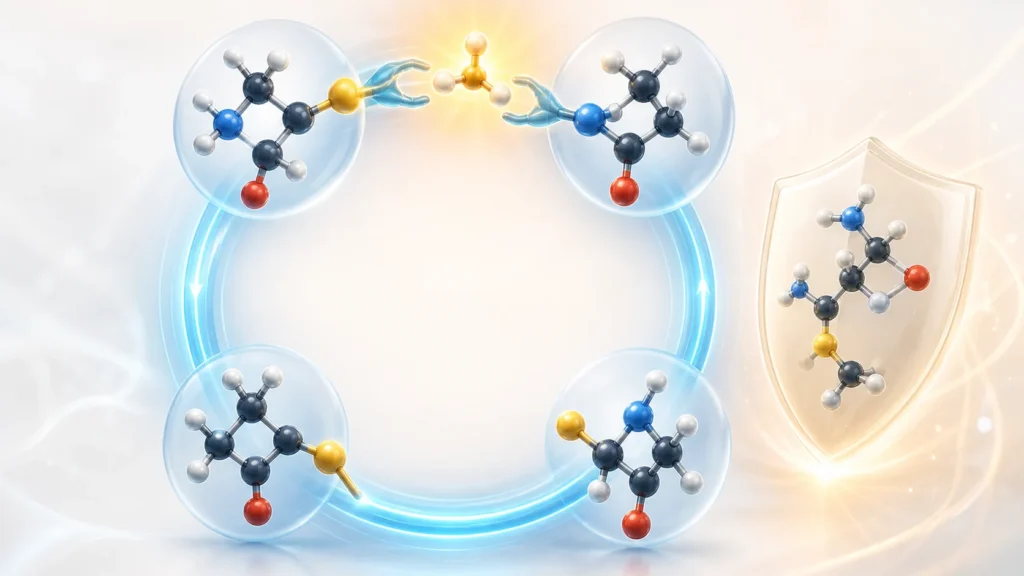
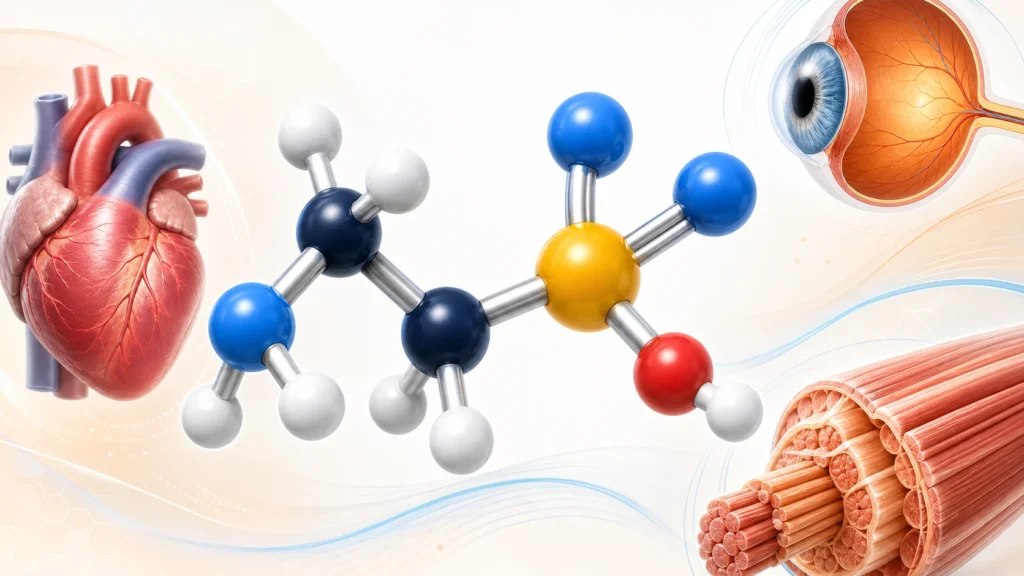
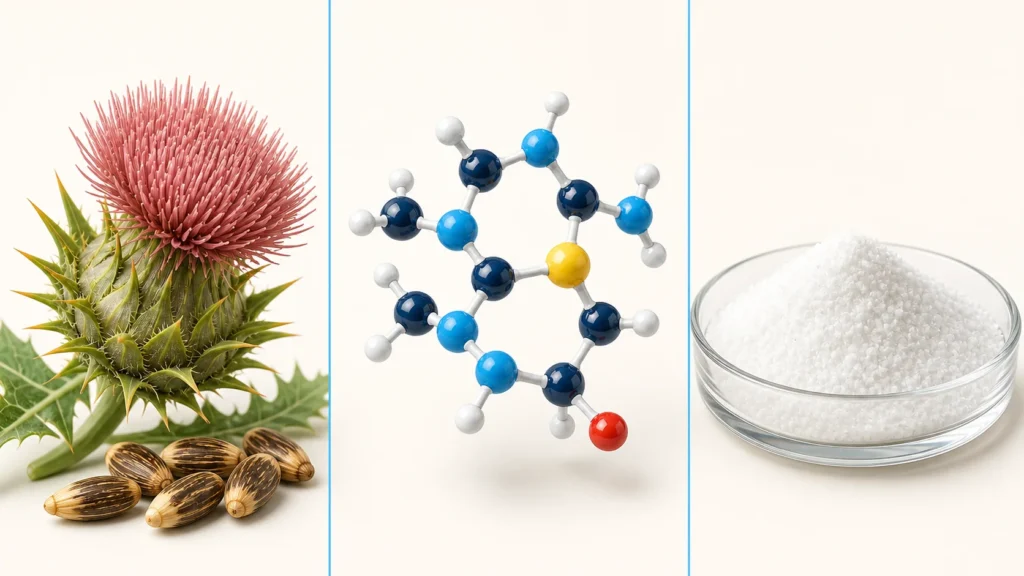
- Nutritional Support: Essential vitamins and amino acids such as choline, taurine, inositol, and methionine are vital for maintaining liver cell integrity and function. These nutrients support metabolic processes, enhance enzymatic activities, and provide antioxidative protection.
- Antioxidant Defense Mechanisms: A robust antioxidant system in the liver neutralizes reactive oxygen species generated during alcohol metabolism. Antioxidants such as glutathione play a pivotal role in protecting hepatocytes from oxidative damage, thereby preserving their function.
- Lifestyle Factors: Regular physical activity, adequate hydration, and a balanced diet contribute to optimal liver function. Offloading the liver from heavy toxin and fat processing contributes to its health and influences its performance.
Conclusion
The resistance to hangovers in individuals with top-performing livers underscores the critical role of efficient alcohol metabolism facilitated by genetic factors, nutritional support, and overall liver health. Peer-reviewed studies provide robust evidence that optimizing liver function can significantly reduce the adverse effects of alcohol consumption.
LiverGuard delivers Choline, Inositol, Methionine, and Taurine in HIGH DOSE, supporting a fast and safe liver regeneration process, which will help you reduce or even completely eliminate hangovers, as well as to promote your overall health.
What Actually Causes Hangover Symptoms
A hangover is not one process but several running at once. Acetaldehyde accumulation is the most direct: it is far more reactive than ethanol itself, and symptoms track how long it lingers. Alongside it, ethanol oxidation consumes NAD+ and shifts the cellular NAD+/NADH redox balance, which temporarily slows gluconeogenesis and fatty-acid oxidation in the liver.
Three further mechanisms add to the picture. Alcohol suppresses vasopressin, increasing urine output and driving fluid and electrolyte loss. Darker drinks carry more congeners – fermentation by-products such as methanol and higher alcohols – which are associated with worse symptoms at the same dose. And although alcohol shortens sleep latency, it fragments the second half of the night and suppresses REM sleep, so much of the next-day fatigue is sleep debt rather than toxicity. An inflammatory cytokine response contributes to the aching and low mood.
What Enzyme Genetics Explain, and What They Do Not
Variation in ADH1B and ALDH2 genuinely shifts how quickly acetaldehyde is produced and cleared. The ALDH2*2 variant, common across East Asian populations, sharply reduces aldehyde dehydrogenase activity and produces the familiar flushing reaction, along with a much lower tolerance for alcohol.
It is worth being precise about the limits of this, though. Enzyme genotype explains part of the variation between people, not all of it. Body composition, drinking speed, whether there was food in the stomach, total dose, hydration, sleep and habitual intake all move the outcome. Someone who reports never getting hangovers is more often drinking less, more slowly, or sleeping better than they realise than they are metabolically exceptional. Nothing removes the dose-dependent burden that alcohol places on the liver.
References
- Bosron, W. F., & Li, T. K. (1986). Genetic polymorphism of human liver alcohol and aldehyde dehydrogenases, and their relationship to alcohol metabolism and alcoholism. Hepatology, 6(3), 502-510. DOI: 10.1002/hep.1840060330
- Zakhari, S. (2006). Overview: how is alcohol metabolized by the body? Alcohol Research & Health, 29(4), 245-254. PMID: 17718403
- Lieber, C. S. (1997). Ethanol metabolism, cirrhosis and alcoholism. Clinica Chimica Acta, 257(1), 59-84. DOI: 10.1016/S0009-8981(96)06434-0
- Franco, R., & Cidlowski, J. A. (2009). Apoptosis and glutathione: beyond an antioxidant. Cell Death & Differentiation, 16(10), 1303-1314. DOI: 10.1038/cdd.2009.107
- Chalasani, N., Younossi, Z., Lavine, J. E., et al. (2012). The diagnosis and management of non-alcoholic fatty liver disease: practice guideline by the AASLD, ACG and AGA. Hepatology, 55(6), 2005-2023. DOI: 10.1002/hep.25762