

Methionine – the King of Methylation Reactions, Liver and Overall Health
Methionine is an essential amino acid that influences various physiological processes related to liver health and beyond.
Methylation is a fundamental biochemical process that involves the transfer of a methyl group (CH3) to a substrate, impacting numerous biological functions, including gene expression, detoxification, and neurotransmitter synthesis. In the context of liver health, methylation reactions are crucial for maintaining optimal liver function and overall metabolic health.
Key Nutrient: Methionine
Methionine is an essential amino acid that plays a pivotal role in methylation reactions and the synthesis of S-adenosylmethionine (SAMe). No methionine- no SAMe. Here’s how methionine contributes to liver health through these processes:
- Methionine and Methylation Reactions
- Through SAMe, which the body makes from it, methionine supplies the methyl groups for most methylation reactions. These reactions are essential for:
- Gene Expression: Methylation of DNA influences gene expression, impacting cell function and overall health.
- Detoxification: Methylation is one of the ways the liver processes certain drugs and other compounds so they can be excreted.
- Neurotransmitter Regulation: Methylation reactions are involved in the synthesis and breakdown of neurotransmitters such as adrenaline and dopamine.
- Through SAMe, which the body makes from it, methionine supplies the methyl groups for most methylation reactions. These reactions are essential for:
- SAMe – S-adenosylmethionine – The liver produces most of the body’s SAMe. Methionine is the essential precursor required for the synthesis of SAMe. Without methionine the liver cannot produce SAMe. SAMe is critical for:
- Polyamine Synthesis: SAMe is involved in the synthesis of polyamines, which are important for cell growth and repair.
- Phospholipid Methylation: SAMe is used in the methylation of phospholipids, which are key components of cell membranes. This process is crucial for maintaining the structural integrity and function of liver cells.
- Transmethylation Reactions: SAMe donates methyl groups in transmethylation reactions, which are vital for the synthesis of various biological molecules.
- Role of SAMe in Liver Health
- Detoxification: SAMe is needed to methylate certain drugs and other foreign compounds, and it feeds the transsulfuration pathway that the liver uses to make glutathione.
- Antioxidant Defense: SAMe supports the production of glutathione, a major antioxidant in liver cells. Mice that cannot make SAMe in the liver develop fatty liver on their own, which shows how central it is to liver metabolism.
- Anti-inflammatory Effects: In laboratory and animal studies, SAMe lowers the production of inflammatory signals such as TNF-alpha.
- Applications
- Liver Diseases: SAMe itself has been tested as a medicine in liver disease, with mixed results, and in some countries it is a prescription drug. That is different from methionine in food or supplements: in advanced liver disease the body handles methionine less well, so anyone with a liver condition should discuss supplements with their doctor.
- Mood: SAMe is also sold for mood. A Cochrane review of trials in adults with major depression found no strong evidence that it beats placebo, and judged the evidence very low quality.
Several key areas, beside the liver where methionine plays a significant role:
- DNA Methylation and Gene Expression
- DNA methylation is crucial for regulating gene expression, maintaining genomic stability, and controlling cellular functions. Abnormal DNA methylation patterns are associated with various diseases, including cancer and developmental disorders.
- Epigenetic Regulation: Through its role in DNA methylation, methionine impacts epigenetic regulation, influencing how genes are turned on or off without changing the underlying DNA sequence.
- Protein Synthesis and Metabolism
- Building Blocks: Methionine is a building block for proteins, necessary for the synthesis of many vital proteins and enzymes in the body.
- Sulfur Source: Methionine provides sulfur, which is essential for the synthesis of cysteine and taurine, amino acids important for various metabolic functions.
- Antioxidant Defense
- Glutathione Synthesis: Methionine is a precursor to cysteine, which in turn is a key component of glutathione. Glutathione is one of the most important antioxidants in the body, protecting cells from oxidative damage and maintaining redox balance.
- Oxidative Stress Reduction: Adequate methionine levels help maintain antioxidant defenses, reducing oxidative stress and its associated risks.
- Detoxification Processes
- Detoxification of xenobiotics: SAMe, derived from methionine, is involved in the detoxification of xenobiotics, drugs, and other harmful compounds through methylation and transsulfuration pathways.
- Toxin Neutralization: Methionine helps in the synthesis of compounds necessary for detoxifying also of other harmful substances, supporting overall detoxification capacity.
- Cardiovascular Health
- Homocysteine Regulation: Methionine metabolism produces homocysteine, an intermediate that must be converted back to methionine or into cysteine. Elevated homocysteine levels are a risk factor for cardiovascular diseases. Keeping homocysteine in check depends on folate, vitamin B12, vitamin B6 and betaine (made from choline), which recycle or clear it. Methionine itself is the source of homocysteine, so more methionine does not lower it.
- Methylation of Lipids: SAMe is involved in the methylation of phospholipids, important for maintaining healthy cell membranes and for the liver’s export of fat in VLDL particles.
- Joint Health and Inflammation
- Osteoarthritis: SAMe is sold for osteoarthritis. A Cochrane review found the trials small and of poor quality and could not reach a firm conclusion.
- Cartilage Synthesis: Methionine contributes to the synthesis of cartilage components, supporting joint integrity and function.
- Mental Health and Cognitive Function
- Neurotransmitter Synthesis: SAMe provides methyl groups used in making and breaking down neurotransmitters such as adrenaline, dopamine and serotonin.
- Skin, Hair, and Nail Health
- Keratin Production: Methionine is important for the synthesis of keratin, a structural protein crucial for the health and strength of skin, hair, and nails.
- Wound Healing: Adequate methionine levels support tissue repair and wound healing processes.
- Immune System Function
- Immune Response: Methionine is involved in the production of molecules that play a role in the immune response, helping the body defend against infections and diseases.
Dietary Sources of Methionine
Methionine is found in various animal-based foods, making it accessible through a balanced diet. Key sources include:
- Meat: Beef and chicken.
- Seafood: Fish, shellfish, and tuna.
- Dairy Products: Milk, cheese, and yogurt.
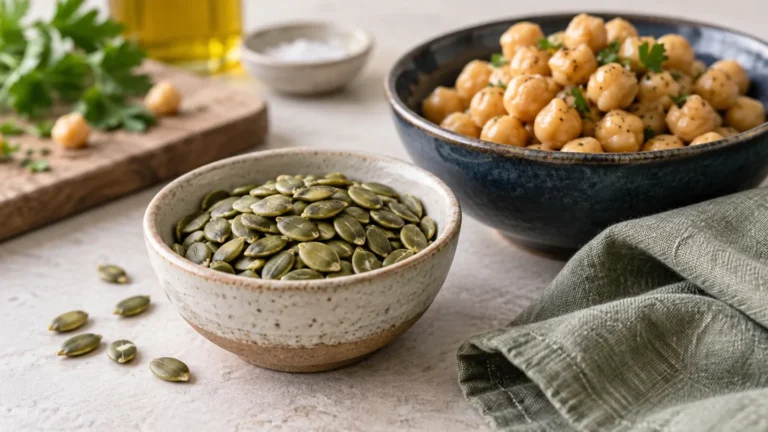
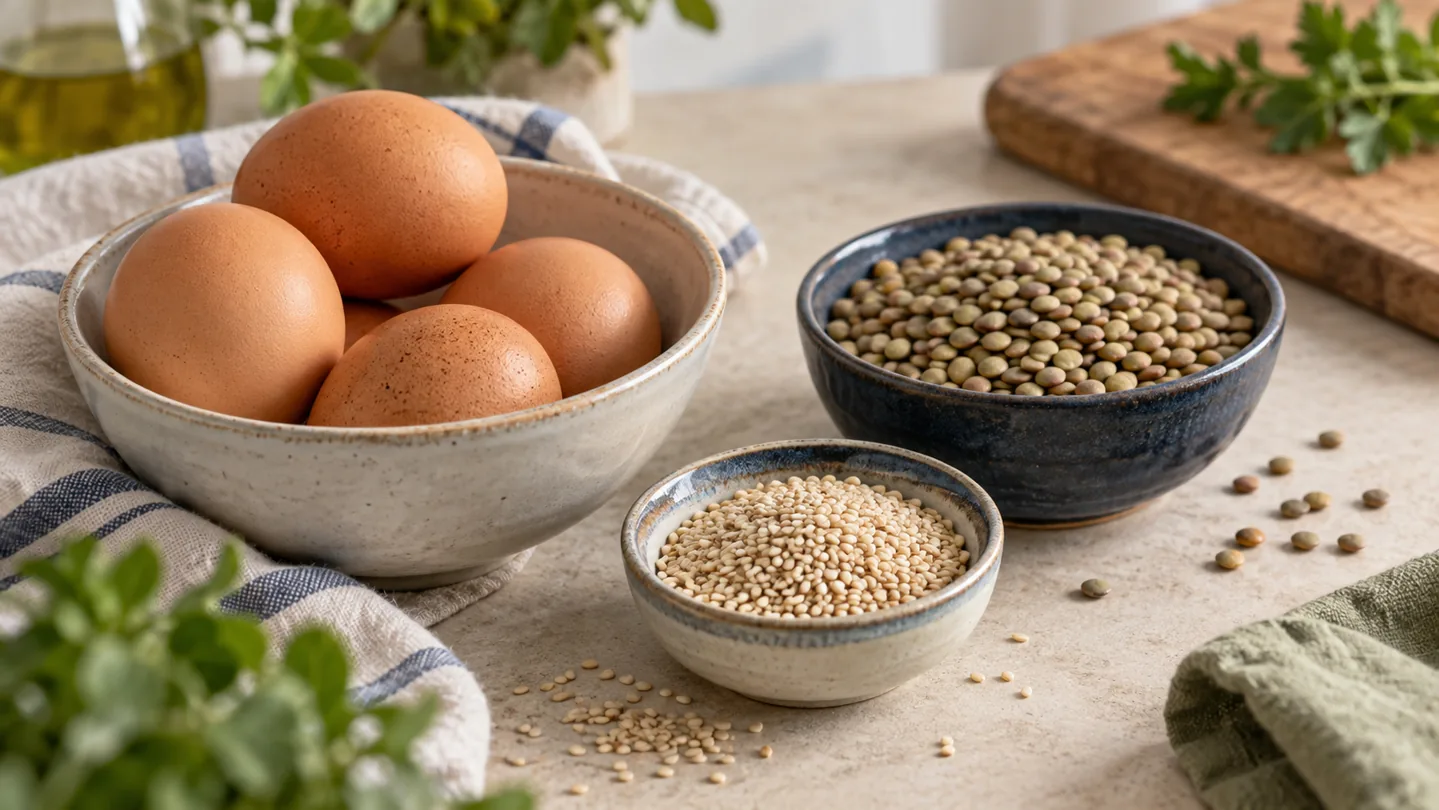
- Plant-Based Sources: Soybeans, sesame seeds and quinoa.
Interesting fact: One dose of LiverGuard provides 850 mg of methionine — roughly 90 g of cooked chicken breast, or more than 1 kg of cooked lentils. Plant protein carries a digestibility penalty, and the sulfur-containing amino acids are the limiting ones in legumes, so the usable share is closer to half of what a plant food’s figures suggest.
Conclusion
Methionine is an essential amino acid: the body uses it to build proteins, to make SAMe, the main methyl donor, and to make cysteine, the building block of glutathione. Meat, fish, eggs and dairy supply it readily. The LiverGuard label lists 850 mg of L-methionine per scoop next to choline, which contributes to normal homocysteine metabolism, if you want to see the two side by side.
References
- Finkelstein, J. D. (1990). Methionine metabolism in mammals. The Journal of Nutritional Biochemistry, 1(5), 228-237. DOI: 10.1016/0955-2863(90)90070-2
- Mato, J. M., & Lu, S. C. (2007). Role of S-adenosyl-L-methionine in liver health and injury. Hepatology, 45(5), 1306-1312. DOI: 10.1002/hep.21650
- Zeisel, S. H., & da Costa, K. A. (2009). Choline: an essential nutrient for public health. Nutrition Reviews, 67(11), 615-623. DOI: 10.1111/j.1753-4887.2009.00246.x
- Bottiglieri, T. (2002). S-adenosyl-L-methionine (SAMe): from the bench to the bedside — molecular basis of a pleiotrophic molecule. The American Journal of Clinical Nutrition, 76(5), 1151S-1157S. DOI: 10.1093/ajcn/76.5.1151S
- Brosnan, J. T., & Brosnan, M. E. (2006). The sulfur-containing amino acids: an overview. The Journal of Nutrition, 136(6 Suppl), 1636S-1640S. DOI: 10.1093/jn/136.6.1636S
- Stramentinoli, G. (1987). Pharmacologic aspects of S-adenosylmethionine: pharmacokinetics and pharmacodynamics. The American Journal of Medicine, 83(5A), 35-42. DOI: 10.1016/0002-9343(87)90849-7
- Lieber, C. S. (1997). Ethanol metabolism, cirrhosis and alcoholism. Clinica Chimica Acta, 257(1), 59-84. DOI: 10.1016/S0009-8981(96)06434-0
- Purohit, V., Abdelmalek, M. F., Barve, S., et al. (2007). Role of S-adenosylmethionine, folate, and betaine in the treatment of alcoholic liver disease: summary of a symposium. The American Journal of Clinical Nutrition, 86(1), 14-24. DOI: 10.1093/ajcn/86.1.14
- Lu, S. C., & Mato, J. M. (2012). S-adenosylmethionine in liver health, injury, and cancer. Physiological Reviews, 92(4), 1515-1542. DOI: 10.1152/physrev.00047.2011
- García-Trevijano, E. R., Martínez-Chantar, M. L., Latasa, M. U., Mato, J. M., & Avila, M. A. (2002). NO sensitizes rat hepatocytes to proliferation by modifying S-adenosylmethionine levels. Gastroenterology, 122(5), 1355-1363. DOI: 10.1053/gast.2002.33020
- Galizia, I., Oldani, L., Macritchie, K., et al. (2016). S-adenosyl methionine (SAMe) for depression in adults. Cochrane Database of Systematic Reviews, 10, CD011286. DOI: 10.1002/14651858.CD011286.pub2
- Rutjes, A. W., Nüesch, E., Reichenbach, S., & Jüni, P. (2009). S-Adenosylmethionine for osteoarthritis of the knee or hip. Cochrane Database of Systematic Reviews, 4, CD007321. DOI: 10.1002/14651858.CD007321.pub2
- Herreman, L., Nommensen, P., Pennings, B., & Laus, M. C. (2020). Comprehensive overview of the quality of plant- and animal-sourced proteins based on the digestible indispensable amino acid score. Food Science & Nutrition, 8(10), 5379-5391. DOI: 10.1002/fsn3.1809
- U.S. Department of Agriculture, Agricultural Research Service. FoodData Central (amino acid content of chicken breast and lentils, cooked). https://fdc.nal.usda.gov/