Free delivery on orders over 50 EUR! 30-day money-back guarantee Shipping within 2 business days Free delivery on orders over 50 EUR! 30-day money-back guarantee Shipping within 2 business days

Category: Ingredients

  • Zinc

    Zinc

    Overview: Zinc is an essential trace mineral that the body cannot store in any meaningful reserve, which means a steady dietary supply is required. It is a structural and catalytic component of hundreds of enzymes and transcription factors, and the liver sits at the centre of its metabolism — regulating how zinc is absorbed, bound, distributed and excreted. Because of this, liver disease and zinc status are tightly linked: impaired liver function depletes zinc, and low zinc in turn worsens several of the processes that damage the liver.

    Biochemical Role and Functions of Zinc

    1. Enzyme Catalysis:
      • Zinc is a required cofactor for a very large number of human enzymes. Among them is alcohol dehydrogenase, the enzyme that performs the first step of alcohol breakdown in the liver — which is one reason zinc status and alcohol metabolism are connected.
    2. Structural Role in Proteins:
      • Zinc holds the shape of “zinc finger” domains found in transcription factors — the proteins that switch genes on and off. Without zinc these proteins lose their fold and their function, which is why deficiency affects so many systems at once.
    3. Antioxidant Defense:
      • Zinc contributes to antioxidant protection both directly, as part of copper-zinc superoxide dismutase, and indirectly, by inducing metallothionein — a small protein that binds metals and scavenges free radicals. This is the mechanism most relevant to a liver under oxidative stress.
    4. Gut Barrier Integrity:
      • Zinc helps maintain the tight junctions of the intestinal lining. When that barrier leaks, bacterial endotoxin reaches the liver through the portal vein and drives inflammation — a pathway demonstrated in experimental models of alcohol-induced liver injury.
    5. Immune Function and Cell Renewal:
      • Zinc is required for the development and normal function of immune cells and for DNA synthesis and cell division — which is why tissues that renew quickly, including the gut lining and the skin, are the first to show a shortfall.

    Importance of Zinc for Health

    1. Liver Health:
      • The liver governs zinc homeostasis, and chronic liver conditions — hepatitis, fatty liver, cirrhosis — consistently disturb it. Reviews of chronic liver disease describe low zinc status as a common finding rather than an occasional one, and link it to disordered nitrogen handling and to insulin resistance.
    2. Oxidative Stress and Fibrosis:
      • Persistent oxidative stress is one of the drivers that pushes a fatty liver towards fibrosis — the scarring that replaces working liver tissue. Zinc’s role in antioxidant defence is the basis for the interest in it as a supportive nutrient in this setting.
    3. Glucose and Lipid Metabolism:
      • Zinc participates in insulin storage and signalling. In controlled trials in people with non-alcoholic fatty liver disease, zinc supplementation alongside dietary measures has been reported to improve several metabolic markers, including liver enzymes and blood lipids.
    4. Immunity:
      • Zinc contributes to the normal function of the immune system — one of the earliest and best-documented consequences of human zinc deficiency.
    5. Skin, Taste and Wound Repair:
      • Slow wound healing, skin complaints and a blunted sense of taste or smell are classical signs that zinc supply is inadequate.

    Implications of Zinc Deficiency

    1. Why It Happens in Liver Disease:
      • Three mechanisms overlap: lower dietary intake, increased use and sequestration by the liver itself, and greater urinary loss. Because most circulating zinc travels bound to albumin, the low albumin of advanced liver disease compounds the picture.
    2. Metabolic Consequences:
      • Zinc shortfall has been associated with insulin resistance and with hepatic steatosis — the accumulation of fat inside liver cells — creating a loop in which liver dysfunction and zinc depletion reinforce each other.
    3. Nitrogen Handling:
      • Zinc-dependent enzymes take part in the urea cycle, the route by which the body disposes of ammonia. As liver disease advances, this is one of the pathways most affected.
    4. Everyday Signs:
      • Reduced appetite, altered taste, frequent infections, hair thinning, skin problems and slow healing are the practical markers most people would notice before any blood test is ordered.

    Dietary Sources of Zinc

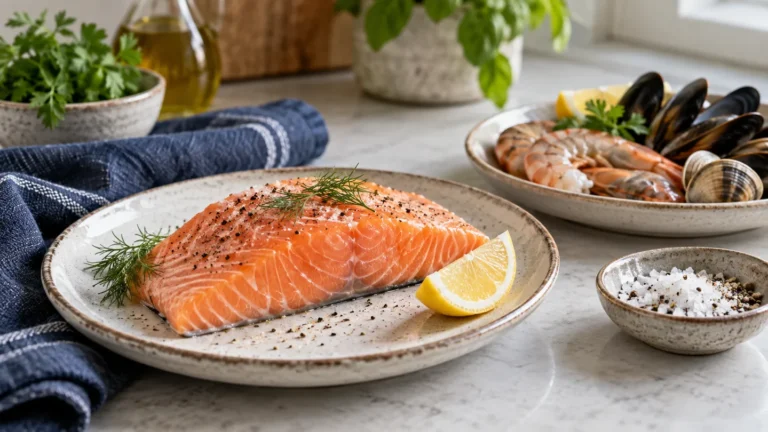
    1. Shellfish and Seafood: oysters are the densest natural source by a wide margin; crab and shrimp also contribute.
    2. Red Meat and Poultry: beef and lamb are the most reliable everyday sources in a typical diet, with poultry providing less.
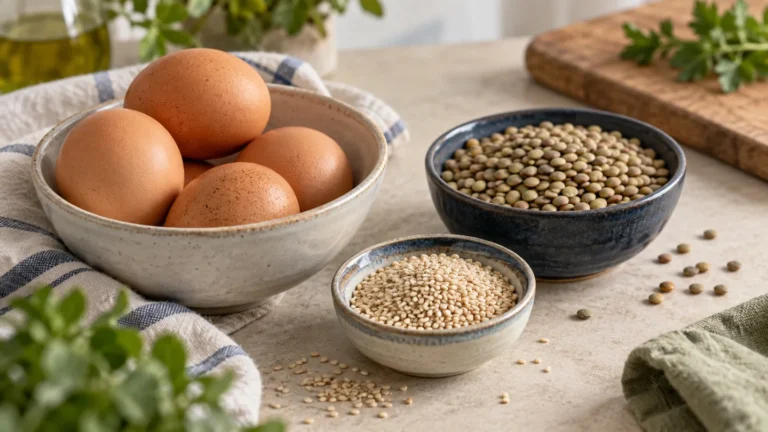
    3. Dairy and Eggs: cheese, milk and eggs supply moderate amounts in a well-absorbed form.
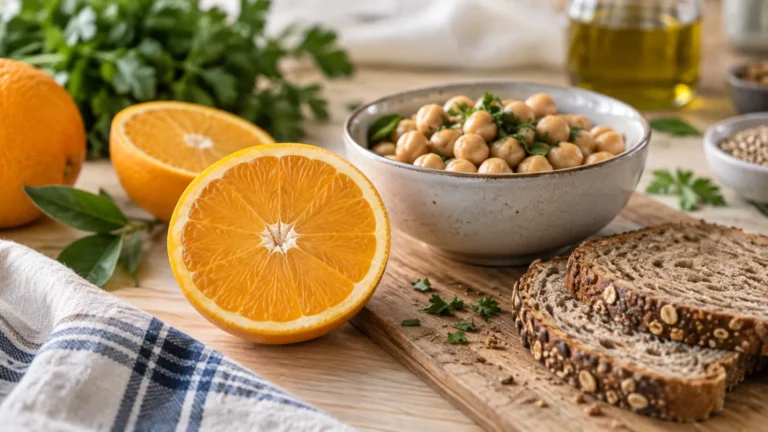
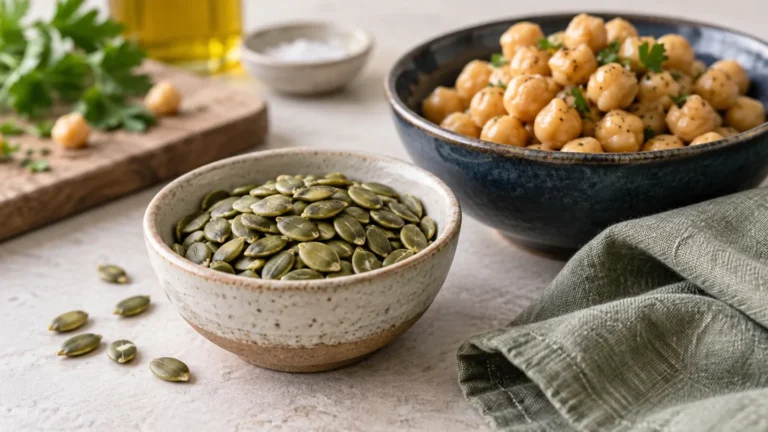
    4. Legumes, Nuts, Seeds and Whole Grains: pumpkin seeds, chickpeas, lentils and cashews all contain zinc, but they also contain phytate, which binds zinc and reduces how much is absorbed. This is why plant-based diets can look adequate on paper and still fall short in practice.

    Conclusion

    Zinc is not a headline nutrient in the way that some are, but it is difficult to name a system that works properly without it — and the liver is where its metabolism is governed. Its two most relevant contributions in this context are antioxidant defence and the maintenance of the gut barrier, both of which sit upstream of the processes that turn a fatty liver into a scarred one. LiverGuard contains 7.5 mg of zinc (as gluconate) per dose, alongside choline, inositol, methionine and taurine, so that the formula covers cellular protection as well as fat transport and regeneration.


    References

    1. Prasad, A. S. (2013). Discovery of human zinc deficiency: its impact on human health and disease. Advances in Nutrition, 4(2), 176-190. DOI: 10.3945/an.112.003210
    2. Maret, W. (2013). Zinc and the zinc proteome. Metal Ions in Life Sciences, 12, 479-501. DOI: 10.1007/978-94-007-5561-1_14
    3. Himoto, T., & Masaki, T. (2018). Associations between zinc deficiency and metabolic abnormalities in patients with chronic liver disease. Nutrients, 10(1), 88. DOI: 10.3390/nu10010088
    4. Himoto, T., & Masaki, T. (2020). Current trends of essential trace elements in patients with chronic liver diseases. Nutrients, 12(7), 2084. DOI: 10.3390/nu12072084
    5. Ullah, M. I., Alameen, A. A. M., & Al-Oanzi, Z. H. (2023). Biological role of zinc in liver cirrhosis: an updated review. Biomedicines, 11(4), 1094. DOI: 10.3390/biomedicines11041094
    6. Fathi, M., Alavinejad, P., & Haidari, Z. (2020). The effect of zinc supplementation on steatosis severity and liver function enzymes in overweight/obese patients with mild to moderate non-alcoholic fatty liver following calorie-restricted diet. Biological Trace Element Research, 197(2), 394-404. DOI: 10.1007/s12011-019-02015-8
    7. Rezaei, S. M. A., Mohammadi, F., & Eftekhari, M. H. (2023). The effects of zinc supplementation on the metabolic factors in patients with non-alcoholic fatty liver disease: a randomized, double-blinded, placebo-controlled clinical trial. BMC Nutrition, 9(1), 138. DOI: 10.1186/s40795-023-00776-z
    8. Diglio, D. C., Fernandes, S. A., & Stein, J. (2020). Role of zinc supplementation in the management of chronic liver diseases: a systematic review and meta-analysis. Annals of Hepatology, 19(2), 190-196. DOI: 10.1016/j.aohep.2019.08.011
    9. Bañares, J., Aceituno, L., & Ruiz-Ortega, L. (2024). Zinc supplementation to improve prognosis in patients with compensated advanced chronic liver disease: a multicenter, randomized, double-blind, placebo-controlled clinical trial. Hepatology Communications, 8(11). DOI: 10.1097/HC9.0000000000000524
    10. Zhong, W., Li, Q., & Sun, Q. (2015). Preventing gut leakiness and endotoxemia contributes to the protective effect of zinc on alcohol-induced steatohepatitis in rats. The Journal of Nutrition, 145(12), 2690-2698. DOI: 10.3945/jn.115.216093
    11. Tokarczyk, J., & Koch, W. (2025). Dietary Zn — recent advances in studies on its bioaccessibility and bioavailability. Molecules, 30(13), 2742. DOI: 10.3390/molecules30132742
  • Herbal Extracts vs Lab synthesis

    Herbal Extracts vs Lab synthesis

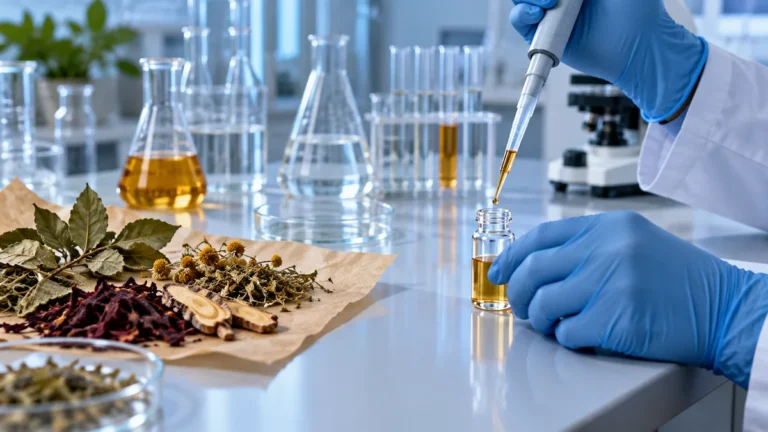
    When it comes to choosing the best food supplements, understanding how they are made and how consistent they are in delivering the promised benefits is crucial. In this article, we’ll explore the manufacturing processes of popular herbal extracts like milk thistle, dandelion root, and artichoke, as well as key nutrients like choline, inositol, methionine, and taurine. We’ll also highlight why the latter group of supplements often offers superior consistency in their active ingredients.

    Manufacturing Process for Milk Thistle, Dandelion Root, and Artichoke Extracts

    Milk Thistle Extract

    Milk thistle extract is derived from the seeds of the milk thistle plant, which are rich in a compound called silymarin. The seeds are harvested, dried, and ground into a fine powder. This powder undergoes solvent extraction, where silymarin is dissolved out of the seeds using substances like ethanol or methanol. After extraction, the mixture is filtered, and the solvent is evaporated, leaving behind a concentrated extract, which is often standardized.

    Dandelion Root Extract

    Dandelion root extract is produced in a similar way. The roots are harvested, dried, and ground before undergoing solvent extraction. The active ingredients, such as inulin and other phenolic compounds, are extracted and then concentrated. Like milk thistle, dandelion root extracts can be standardized, but the active ingredient content can vary depending on the quality of the raw material and the extraction method used.

    Artichoke Extract

    Artichoke extract is valued for its cynarin content, a compound known for supporting liver health. The extraction process involves harvesting artichoke leaves, drying them, and using solvents to extract cynarin and other beneficial compounds. The extract is then concentrated and may be standardized to ensure a consistent level of active ingredients.

    Why Active Ingredients Might Vary

    Despite standardization efforts, the concentration of active ingredients in these herbal extracts can still vary from batch to batch and from one manufacturer to another. Here are some reasons why:

    1. Raw Material Quality: The concentration of active ingredients in plants can vary based on growing conditions, soil quality, and harvest timing. This natural variability affects the final product.
    2. Extraction Process: Different solvents and extraction techniques can yield varying levels of active ingredients. Even slight changes in temperature or extraction time can impact the potency of the extract.
    3. Manufacturing Practices: Each manufacturer may have different quality control standards. While some may rigorously standardize their products, others might not, leading to inconsistencies.

    Manufacturing Process of Choline, Inositol, Methionine, and Taurine

    Now, let’s take a look at how choline, inositol, methionine, and taurine are produced. Unlike herbal extracts, these compounds are typically produced through lab synthesis, which offers much greater consistency.

    Choline

    Choline is often produced synthetically by combining choline with hydrochloric acid or tartaric acid to form choline chloride or choline bitartrate. This chemical synthesis allows for precise control over the final product, ensuring a consistent concentration of choline across all batches.

    Inositol

    Inositol can be extracted from natural sources like corn, but it’s more commonly produced synthetically. The synthetic process involves converting glucose derivatives into inositol. This method ensures a uniform product, with consistent levels of inositol in every batch.

    Methionine

    Methionine is usually synthesized through a chemical process known as Strecker synthesis, which combines hydrogen cyanide, ammonia, and methyl mercaptan. Alternatively, it can be produced through microbial fermentation. Both methods allow for tight control over the production process, resulting in a highly consistent product.

    Taurine

    Taurine is primarily produced synthetically by reacting ethylene oxide with sodium bisulfite or through the reaction of aziridine with sulfurous acid. The controlled environment of the lab ensures that each batch of taurine has the same concentration of the active ingredient.

    The Superiority of Lab-Synthesized Nutrients

    One of the biggest advantages of choline, inositol, methionine, and taurine over herbal extracts like milk thistle, dandelion root, and artichoke is the consistency of the active ingredients. Since these nutrients are produced in a lab setting, manufacturers can ensure that each batch is identical in composition. This consistency means that you can rely on these supplements to deliver the same benefits every time you take them.

    In contrast, the natural variability in plant-derived extracts makes it harder to guarantee the same level of active ingredients in each batch, which can affect the supplement’s effectiveness.

    Conclusion

    When choosing supplements, it’s important to consider both the type of supplement and the manufacturing process behind it. While herbal extracts like milk thistle, dandelion root, and artichoke offer natural benefits, the active ingredient content can vary. On the other hand, lab-synthesized nutrients like choline, inositol, methionine, and taurine provide superior consistency, ensuring you get the same high-quality product every time.


    References

    1. Abenavoli, L., Capasso, R., Milic, N., & Capasso, F. (2010). Milk thistle in liver diseases: past, present, future. Phytotherapy Research, 24(10), 1423-1432. DOI: 10.1002/ptr.3207
    2. Choi, U. K., Lee, O. H., Yim, J. H., et al. (2010). Hypolipidemic and antioxidant effects of dandelion (Taraxacum officinale) root and leaf on cholesterol-fed rabbits. International Journal of Molecular Sciences, 11(1), 67-78. DOI: 10.3390/ijms11010067
    3. Gebhardt, R. (2002). Prevention of taurolithocholate-induced hepatic bile canalicular distortions by HPLC-characterized extracts of artichoke (Cynara scolymus) leaves. Planta Medica, 68(9), 776-779. DOI: 10.1055/s-2002-34417
    4. Zeisel, S. H., & da Costa, K. A. (2009). Choline: an essential nutrient for public health. Nutrition Reviews, 67(11), 615-623. DOI: 10.1111/j.1753-4887.2009.00246.x
    5. Clements, R. S., & Darnell, B. (1980). Myo-inositol content of common foods: development of a high-myo-inositol diet. The American Journal of Clinical Nutrition, 33(9), 1954-1967. DOI: 10.1093/ajcn/33.9.1954
    6. Brosnan, J. T., & Brosnan, M. E. (2006). The sulfur-containing amino acids: an overview. The Journal of Nutrition, 136(6 Suppl), 1636S-1640S. DOI: 10.1093/jn/136.6.1636S
    7. Schaffer, S. W., & Kim, H. W. (2018). Effects and mechanisms of taurine as a therapeutic agent. Biomolecules & Therapeutics, 26(3), 225-241. DOI: 10.4062/biomolther.2017.251

  • Taurine

    Taurine

    Overview: Taurine is a conditionally essential amino acid that plays a critical role in various physiological processes. Unlike most amino acids, taurine is not used to build proteins but is essential for numerous cellular functions. It is abundant in the heart, brain, retina, and skeletal muscle, and has significant implications for liver health, cardiovascular function, and neurological development. Taurine is naturally found in various foods and is also available as a dietary supplement.

    Biochemical Role and Functions of Taurine

    1. Cellular Osmoregulation and Membrane Stabilization:
      • Taurine helps maintain cell volume and membrane stability, ensuring proper cell function and protection against stress-induced damage.
    2. Bile Salt Formation:
      • Taurine conjugates with bile acids to form bile salts, which are essential for the digestion and absorption of fats and fat-soluble vitamins in the small intestine.
    3. Antioxidant Defense:
      • Taurine acts as an antioxidant, protecting cells from oxidative stress by neutralizing reactive oxygen species (ROS) and supporting the body’s overall antioxidant defense system.
    4. Calcium Homeostasis:
      • Taurine plays a role in regulating intracellular calcium levels, which is crucial for various cellular functions, including muscle contraction and neurotransmitter release.

    Importance of Taurine for Health

    1. Liver Health:
      • Detoxification: Taurine supports liver detoxification processes by conjugating with bile acids, facilitating the excretion of cholesterol and toxins.
      • Antioxidant Protection: It helps protect liver cells from oxidative damage, which matters in liver conditions such as metabolic dysfunction-associated steatotic liver disease (MASLD, formerly non-alcoholic fatty liver disease or NAFLD) and cirrhosis.
      • Fat Metabolism: Taurine enhances fat metabolism, preventing the accumulation of fat in the liver and supporting overall liver function.
    2. Cardiovascular Health:
      • Heart Function: Taurine is vital for maintaining heart function by regulating calcium homeostasis, which is essential for normal heartbeats and muscle contractions.
      • Blood Pressure Regulation: It helps regulate blood pressure by modulating the central nervous system and improving vascular function.
      • Cholesterol Management: Taurine aids in the regulation of cholesterol levels, reducing the risk of atherosclerosis and associated cardiovascular diseases.
    3. Neurological Health:
      • Neurotransmitter Regulation: Taurine acts as a neuromodulator and neurotransmitter in the brain, influencing the release and action of other neurotransmitters such as GABA, glycine, and glutamate.
      • Cognitive Function: It supports cognitive function by protecting neurons from oxidative stress and maintaining cellular homeostasis.
      • Mood Regulation: Taurine has a calming effect on the brain, helping to alleviate anxiety and improve mood.
    4. Muscle Function and Development:
      • Muscle Contraction: Taurine is crucial for muscle function by regulating calcium levels in muscle cells, ensuring proper muscle contraction and preventing cramps.
      • Exercise Performance: It enhances exercise performance by reducing muscle fatigue and improving endurance.

    Implications of Taurine Deficiency

    1. Liver Diseases:
      • Fatty Liver Disease: Deficiency in taurine can lead to impaired bile salt formation, contributing to fat accumulation in the liver and increasing the risk of NAFLD.
      • Liver Damage: Lack of taurine can reduce antioxidant protection, making liver cells more susceptible to oxidative damage and inflammation.
    2. Cardiovascular Disorders:
      • Hypertension: Taurine deficiency can lead to elevated blood pressure and increased risk of hypertension.
      • Cardiomyopathy: Insufficient taurine levels can impair heart function, potentially leading to cardiomyopathy and other heart conditions.
    3. Neurological Issues:
      • Cognitive Decline: A lack of taurine can affect neurotransmitter regulation, leading to cognitive impairments and increased risk of neurodegenerative diseases.
      • Mood Disorders: Taurine deficiency may contribute to anxiety, depression, and other mood disorders due to its role in neurotransmitter regulation.
    4. Muscle Dysfunction:
      • Muscle Fatigue: Low levels of taurine can result in increased muscle fatigue and decreased exercise performance.
      • Cramps and Weakness: Taurine deficiency can lead to improper calcium regulation in muscles, causing cramps and weakness.

    Dietary Sources of Taurine

    Taurine is found in various animal-based foods, making it accessible through a balanced diet. Key sources include:

    • Meat: Beef, lamb, and pork.
    • Seafood: Fish, shellfish, and other seafood.
    • Dairy Products: Milk, cheese, and yogurt.
    • Poultry: Chicken and turkey.

    Interesting fact: One dose of LiverGuard provides 850 mg of taurine. From beef that is roughly 1.3 to 2.2 kilograms depending on the cut, since published values range from about 38 to 68 mg per 100 g — and boiling leaches much of it into the cooking water, so the cooked amount needed is higher still. Mussels are the efficient route at around 130 g. Plant foods contain essentially none.

    Conclusion

    Taurine is a multifaceted amino acid that supports numerous physiological processes, including liver detoxification, cardiovascular health, neurological function, and muscle performance. Ensuring adequate intake of taurine through diet or supplementation is essential for maintaining overall health and preventing deficiencies. Taurine’s broad range of benefits makes it a valuable nutrient for enhancing well-being and supporting various aspects of physical and mental health. LiverGuard provides a HIGH DOSE of taurine, together with choline, inositol and methionine, which delivers a synergetic effect to your liver and overall health.


    References

    1. Hayes, K. C., & Sturman, J. A. (1981). Taurine in metabolism. Annual Review of Nutrition, 1, 401-425. DOI: 10.1146/annurev.nu.01.070181.002153
    2. Marcinkiewicz, J., & Kontny, E. (2014). Taurine and inflammatory diseases. Amino Acids, 46(1), 7-20. DOI: 10.1007/s00726-012-1361-4
    3. Ripps, H., & Shen, W. (2012). Review: taurine: a “very essential” amino acid. Molecular Vision, 18, 2673-2686. PMID: 23170060
    4. Huxtable, R. J. (1992). Physiological actions of taurine. Physiological Reviews, 72(1), 101-163. DOI: 10.1152/physrev.1992.72.1.101
    5. Stapleton, P. P., Charles, R. P., Redmond, H. P., & Bouchier-Hayes, D. J. (1997). Taurine and human nutrition. Clinical Nutrition, 16(3), 103-108. DOI: 10.1016/S0261-5614(97)80234-8
    6. Schaffer, S. W., Jong, C. J., Ito, T., & Azuma, J. (2014). Effect of taurine on ischemia-reperfusion injury. Amino Acids, 46(1), 21-30. DOI: 10.1007/s00726-012-1378-8
    7. Chesney, R. W. (1985). Taurine: its biological role and clinical implications. Advances in Pediatrics, 32, 1-42. DOI: 10.1016/S0065-3101(24)00213-5
    8. Ghandforoush-Sattari, M., Mashayekhi, S., Krishna, C. V., Thompson, J. P., & Routledge, P. A. (2010). Pharmacokinetics of oral taurine in healthy volunteers. Journal of Amino Acids, 2010, 346237. DOI: 10.4061/2010/346237
    9. Miyazaki, T., & Matsuzaki, Y. (2014). Taurine and liver diseases: a focus on the heterogeneous protective properties of taurine. Amino Acids, 46(1), 101-110. DOI: 10.1007/s00726-012-1381-0
  • Methionine

    Methionine

    Methionine – the King of Methylation Reactions, Liver and Overall Health

    Methionine is an essential amino acid that influences various physiological processes related to liver health  and beyond.

    Methylation is a fundamental biochemical process that involves the transfer of a methyl group (CH3) to a substrate, impacting numerous biological functions, including gene expression, detoxification, and neurotransmitter synthesis. In the context of liver health, methylation reactions are crucial for maintaining optimal liver function and overall metabolic health.

    Key Nutrient: Methionine

    Methionine is an essential amino acid that plays a pivotal role in methylation reactions and the synthesis of S-adenosylmethionine (SAMe). No methionine- no SAMe. Here’s how methionine contributes to liver health through these processes:

    1. Methionine and Methylation Reactions
      • As a primary methyl donor, methionine participates in various methylation reactions. These reactions are essential for:
        • Gene Expression: Methylation of DNA influences gene expression, impacting cell function and overall health.
        • Detoxification: Methylation helps neutralize and eliminate toxins from the body, a key function of the liver.
        • Neurotransmitter Regulation: Methylation reactions are involved in the synthesis and metabolism of neurotransmitters, affecting mood and cognitive function.
    2. SAMe – S-adenosylmethionine – The liver produces most of the body’s SAMe. Methionine is the essential precursor required for the synthesis of SAMe. Without methionine the liver cannot produce SAMe.  SAMe is critical for:
      • Polyamine Synthesis: SAMe is involved in the synthesis of polyamines, which are important for cell growth and repair.
      • Phospholipid Methylation: SAMe is used in the methylation of phospholipids, which are key components of cell membranes. This process is crucial for maintaining the structural integrity and function of liver cells.
      • Transmethylation Reactions: SAMe donates methyl groups in transmethylation reactions, which are vital for the synthesis of various biological molecules.
    3. Role of SAMe in Liver Health
      • Detoxification: SAMe enhances the liver’s ability to detoxify harmful substances, including drugs, alcohol, and environmental toxins. This is achieved through the methylation of toxins, making them more water-soluble and easier to excrete.
      • Antioxidant Defense: SAMe supports the production of glutathione, a powerful antioxidant that protects liver cells from oxidative stress and damage. This is particularly important in preventing liver diseases such as fatty liver disease and cirrhosis.
      • Anti-inflammatory Effects: SAMe has been shown to reduce inflammation in the liver by modulating the production of pro-inflammatory cytokines. Chronic inflammation is a common feature of liver diseases, and reducing it can improve liver function and health.
    4. Applications
      • Liver Diseases: Supplementing with SAMe or methionine can be beneficial in conditions such as alcoholic liver disease, metabolic dysfunction-associated steatotic liver disease (MASLD, formerly non-alcoholic fatty liver disease or NAFLD), and cirrhosis. SAMe supplementation has been shown to improve liver function tests and reduce symptoms in these conditions.
      • Mood and Cognitive Function: SAMe is also used as a supplement to improve mood and cognitive function, particularly in cases of depression, which can be associated with liver dysfunction due to the interconnectedness of these systems.

    Several key areas, beside the liver where methionine plays a significant role:

    1. DNA Methylation and Gene Expression
      • DNA methylation is crucial for regulating gene expression, maintaining genomic stability, and controlling cellular functions. Abnormal DNA methylation patterns are associated with various diseases, including cancer and developmental disorders.
      • Epigenetic Regulation: Through its role in DNA methylation, methionine impacts epigenetic regulation, influencing how genes are turned on or off without changing the underlying DNA sequence.
    2. Protein Synthesis and Metabolism
      • Building Blocks: Methionine is a building block for proteins, necessary for the synthesis of many vital proteins and enzymes in the body.
      • Sulfur Source: Methionine provides sulfur, which is essential for the synthesis of cysteine and taurine, amino acids important for various metabolic functions.
    3. Antioxidant Defense
      • Glutathione Synthesis: Methionine is a precursor to cysteine, which in turn is a key component of glutathione. Glutathione is one of the most important antioxidants in the body, protecting cells from oxidative damage and maintaining redox balance.
      • Oxidative Stress Reduction: Adequate methionine levels help maintain antioxidant defenses, reducing oxidative stress and its associated risks.
    4. Detoxification Processes
      • Detoxification of xenobiotics: SAMe, derived from methionine, is involved in the detoxification of xenobiotics, drugs, and other harmful compounds through methylation and transsulfuration pathways.
      • Toxin Neutralization: Methionine helps in the synthesis of compounds necessary for detoxifying also of other harmful substances, supporting overall detoxification capacity.
    5. Cardiovascular Health
      • Homocysteine Regulation: Methionine metabolism produces homocysteine, an intermediate that must be converted back to methionine or into cysteine. Elevated homocysteine levels are a risk factor for cardiovascular diseases. Adequate intake of methionine, along with vitamins B6, B12, and folate, helps maintain homocysteine at healthy levels.
      • Methylation of Lipids: SAMe is involved in the methylation of phospholipids, important for maintaining healthy cell membranes and proper lipid metabolism, impacting cardiovascular health.
    6. Joint Health and Inflammation
      • Anti-Inflammatory Effects: SAMe has anti-inflammatory properties and is often used as a supplement to support joint health and alleviate symptoms of osteoarthritis.
      • Cartilage Synthesis: Methionine contributes to the synthesis of cartilage components, supporting joint integrity and function.
    7. Mental Health and Cognitive Function
      • Neurotransmitter Synthesis: SAMe plays a role in the synthesis and regulation of neurotransmitters such as serotonin, dopamine, and norepinephrine. This influences mood, cognitive function, and mental health.
      • Depression Management: Supplementation with SAMe has been shown to have antidepressant effects, helping manage symptoms of depression and improving mood.
    8. Skin, Hair, and Nail Health
      • Keratin Production: Methionine is important for the synthesis of keratin, a structural protein crucial for the health and strength of skin, hair, and nails.
      • Wound Healing: Adequate methionine levels support tissue repair and wound healing processes.
    9. Immune System Function
      • Immune Response: Methionine is involved in the production of molecules that play a role in the immune response, helping the body defend against infections and diseases.

    Dietary Sources of Methionine

    Methionine is found in various animal-based foods, making it accessible through a balanced diet. Key sources include:

    • Meat: Beef and chicken.
    • Seafood: Fish, shellfish, and tuna.
    • Dairy Products: Milk, cheese, and yogurt.
    • Plant-Based Sources: Brazil nuts, soybeans and quinoa.

    Interesting fact: One dose of LiverGuard provides 850 mg of methionine — roughly 90 g of cooked chicken breast, or about 500 g of quinoa. Plant protein carries a digestibility penalty, since the sulfur-containing amino acids are the limiting ones in grains and legumes, so the usable share is closer to half of what a plant food’s figures suggest.

    Conclusion

    Methionine is a critical amino acid that influences numerous physiological processes, including DNA methylation, protein synthesis, antioxidant defense, detoxification, cardiovascular health, joint health, mental health, and the health of skin, hair, and nails. Ensuring adequate methionine intake through diet or supplementation supports overall health and well-being. LiverGuard combines HIGH DOSE of methionine with choline, inositol and taurine, providing you with an ultimate synergy of all those essential elements.


    References

    1. Finkelstein, J. D. (1990). Methionine metabolism in mammals. The Journal of Nutritional Biochemistry, 1(5), 228-237. DOI: 10.1016/0955-2863(90)90070-2
    2. Mato, J. M., & Lu, S. C. (2007). Role of S-adenosyl-L-methionine in liver health and injury. Hepatology, 45(5), 1306-1312. DOI: 10.1002/hep.21650
    3. Zeisel, S. H., & da Costa, K. A. (2009). Choline: an essential nutrient for public health. Nutrition Reviews, 67(11), 615-623. DOI: 10.1111/j.1753-4887.2009.00246.x
    4. Bottiglieri, T. (2002). S-adenosyl-L-methionine (SAMe): from the bench to the bedside — molecular basis of a pleiotrophic molecule. The American Journal of Clinical Nutrition, 76(5), 1151S-1157S. DOI: 10.1093/ajcn/76.5.1151S
    5. Brosnan, J. T., & Brosnan, M. E. (2006). The sulfur-containing amino acids: an overview. The Journal of Nutrition, 136(6 Suppl), 1636S-1640S. DOI: 10.1093/jn/136.6.1636S
    6. Stramentinoli, G. (1987). Pharmacologic aspects of S-adenosylmethionine: pharmacokinetics and pharmacodynamics. The American Journal of Medicine, 83(5A), 35-42. DOI: 10.1016/0002-9343(87)90849-7
    7. Lieber, C. S. (1997). Ethanol metabolism, cirrhosis and alcoholism. Clinica Chimica Acta, 257(1), 59-84. DOI: 10.1016/S0009-8981(96)06434-0
    8. Purohit, V., Abdelmalek, M. F., Barve, S., et al. (2007). Role of S-adenosylmethionine, folate, and betaine in the treatment of alcoholic liver disease: summary of a symposium. The American Journal of Clinical Nutrition, 86(1), 14-24. DOI: 10.1093/ajcn/86.1.14
    9. Lu, S. C., & Mato, J. M. (2012). S-adenosylmethionine in liver health, injury, and cancer. Physiological Reviews, 92(4), 1515-1542. DOI: 10.1152/physrev.00047.2011
    10. García-Trevijano, E. R., Martínez-Chantar, M. L., Latasa, M. U., Mato, J. M., & Avila, M. A. (2002). NO sensitizes rat hepatocytes to proliferation by modifying S-adenosylmethionine levels. Gastroenterology, 122(5), 1355-1363. DOI: 10.1053/gast.2002.33020
  • Choline Bitartrate

    Choline Bitartrate

    Choline is an essential nutrient that plays a pivotal role in various physiological processes, including liver health, brain function, and lipid metabolism. It is a water-soluble compound that is often grouped with the B-vitamins due to its similar functions. The body can synthesize choline in small amounts, but the majority must be obtained through diet.

    Choline bitartrate is a dietary supplement form of choline. It combines choline with tartaric acid to enhance absorption and bioavailability. Choline bitartrate is widely used to support cognitive function, liver health, and overall metabolic processes.

    Biochemical Role and Functions of Choline Bitartrate

    1. Enhanced Absorption:
      • Choline bitartrate is more readily absorbed by the body compared to choline alone, ensuring higher bioavailability and effectiveness.
    2. Key Functions:
      • Phosphatidylcholine Synthesis: Choline from choline bitartrate is a precursor for phosphatidylcholine, a major component of cell membranes, essential for maintaining cell structure and signaling.
      • Methylation Reactions: Choline is a precursor to betaine, which acts as a methyl donor in various biochemical processes, including the remethylation of homocysteine to methionine.
      • Acetylcholine Synthesis: Choline is crucial for the production of acetylcholine, a neurotransmitter involved in memory, muscle control, and mood regulation.

    Importance of Choline Bitartrate for Health

    1. Liver Health:
      • Lipid Metabolism: Choline bitartrate helps prevent hepatic steatosis (fatty liver) by promoting the export of lipids from the liver through the synthesis of very-low-density lipoproteins (VLDL).
      • Detoxification: Choline supports liver detoxification processes, facilitating the elimination of toxins and metabolic by-products.
      • Antioxidant Defense: Choline plays a role in maintaining the liver’s antioxidant defenses, protecting liver cells from oxidative stress and damage.
    2. Brain Health:
      • Cognitive Function: Choline bitartrate enhances cognitive function by supporting the synthesis of acetylcholine, which is essential for memory and learning.
      • Neuroprotection: Adequate choline levels protect against neurodegenerative diseases by maintaining neuronal membrane integrity and function.
      • Mood Regulation: By supporting acetylcholine production, choline bitartrate can help stabilize mood and reduce symptoms of depression.
    3. Cardiovascular Health:
      • Homocysteine Regulation: Choline-derived betaine helps lower homocysteine levels, a risk factor for cardiovascular diseases, including atherosclerosis and stroke.
      • Lipid Metabolism: By promoting healthy lipid metabolism, choline bitartrate helps maintain balanced cholesterol levels and overall cardiovascular health.

    Implications of Choline Bitartrate Deficiency

    1. Liver Diseases:
      • Fatty Liver Disease (MASLD, formerly NAFLD): Choline deficiency is a major contributor to the development of NAFLD, characterized by excess fat accumulation in the liver.
      • Liver Damage: Insufficient choline intake can lead to liver inflammation, fibrosis, and progression to more severe liver conditions.
    2. Cognitive Decline:
      • Memory Impairment: Choline deficiency can lead to reduced acetylcholine levels, impairing memory and cognitive function.
      • Increased Risk of Dementia: Long-term choline deficiency is associated with an increased risk of neurodegenerative diseases, such as Alzheimer’s disease.
    3. Metabolic Disorders:
      • Elevated Homocysteine: Lack of choline can result in elevated homocysteine levels, increasing the risk of cardiovascular and metabolic disorders.
      • Impaired Lipid Metabolism: Deficiency can disrupt normal lipid metabolism, leading to dyslipidemia and associated metabolic issues.

    Dietary Sources of Choline

    While choline bitartrate supplements provide a concentrated source of choline, it is also found in various foods, including:

    • Animal Products: Eggs, liver, poultry, and fish are rich in choline.
    • Plant-Based Sources: Nuts, seeds, soybeans, and cruciferous vegetables like broccoli and Brussels sprouts.

    Conclusion

    Choline bitartrate is a highly effective form of choline that supports numerous critical functions in the body, including liver health, cognitive function, and cardiovascular health. Ensuring adequate intake of choline through diet and supplementation with choline bitartrate can prevent deficiencies and promote overall well-being. This supplement is particularly beneficial for individuals at risk of choline deficiency or those seeking to enhance their cognitive and liver functions. LiverGuard is the preferred primary source of choline bitartrate, introducing a great synergy by its formula containing also methionine, inositol and taurine.


    How Much Choline Do You Actually Need?

    There is no formal Recommended Daily Allowance for choline, because the evidence was judged insufficient to set one. Instead, an Adequate Intake was established: 550 mg per day for adult men and 425 mg for adult women, rising to 450 mg in pregnancy and 550 mg during lactation, when demand is highest. The Tolerable Upper Intake Level for adults is 3,500 mg per day; consistently exceeding it is associated with a fishy body odour, sweating and lowered blood pressure.

    Population intake data repeatedly show most adults falling short of the Adequate Intake, which is largely a consequence of eating fewer eggs and less organ meat than previous generations did.

    Why Requirements Vary So Much Between People

    Choline is unusual in that the body can synthesise some of its own, via the PEMT enzyme, which converts phosphatidylethanolamine into phosphatidylcholine. That pathway is oestrogen-dependent, so pre-menopausal women generally produce more endogenous choline than men or post-menopausal women and tolerate a lower intake.

    Common genetic variants in PEMT and MTHFD1 reduce this capacity considerably, and controlled depletion studies have shown that individuals carrying them develop signs of hepatic steatosis and muscle damage on intakes that leave others unaffected. This is why a single population number is a poor guide to any one person’s requirement.

    Choline’s role here is well enough established to be recognised in EU law: authorised claims state that choline contributes to normal lipid metabolism, to the maintenance of normal liver function, and to normal homocysteine metabolism. Those three functions are precisely the pathways described above – VLDL export of triglycerides, membrane phosphatidylcholine, and methyl-group donation.

    References

    1. Zeisel, S. H., & da Costa, K. A. (2009). Choline: an essential nutrient for public health. Nutrition Reviews, 67(11), 615-623. DOI: 10.1111/j.1753-4887.2009.00246.x
    2. Blusztajn, J. K. (1998). Choline, a vital amine. Science, 281(5378), 794-795. DOI: 10.1126/science.281.5378.794
    3. Institute of Medicine (US) Panel on Folate, Other B Vitamins, and Choline. (1998). Dietary Reference Intakes for Thiamin, Riboflavin, Niacin, Vitamin B6, Folate, Vitamin B12, Pantothenic Acid, Biotin, and Choline. Washington, DC: National Academies Press. DOI: 10.17226/6015
    4. Buchman, A. L., & Dubin, M. D. (1995). Choline deficiency: a cause of hepatic steatosis during parenteral nutrition that can be reversed with intravenous choline supplementation. Hepatology, 22(5), 1399-1403. DOI: 10.1016/0270-9139(95)90143-4
    5. Wurtman, R. J., Cansev, M., Sakamoto, T., & Ulus, I. H. (2009). Use of phosphatide precursors to promote synaptogenesis. Annual Review of Nutrition, 29, 59-87. DOI: 10.1146/annurev-nutr-080508-141059
    6. Blusztajn, J. K., & Mellott, T. J. (2012). Choline nutrition programs brain development via DNA and histone methylation. Central Nervous System Agents in Medicinal Chemistry, 12(2), 82-94. DOI: 10.2174/187152412800792706
    7. Kullenberg, D., Taylor, L. A., Schneider, M., & Massing, U. (2012). Health effects of dietary phospholipids. Lipids in Health and Disease, 11, 3. DOI: 10.1186/1476-511X-11-3
  • Inositol

    Inositol

    Overview: Inositol is a naturally occurring carbohydrate that plays a critical role in various cellular processes and is considered part of the B-vitamin complex. It is essential for maintaining cellular health, regulating insulin and glucose metabolism, supporting mental health, and promoting liver function. Inositol is present in various dietary sources and is also available as a supplement.

    Biochemical Role and Functions of Inositol

    1. Cell Membrane Integrity and Signaling:
      • Inositol is a key component of phospholipids, particularly phosphatidylinositol, which are essential for maintaining the integrity and functionality of cell membranes.
      • It acts as a precursor for inositol phosphates, which are crucial signaling molecules involved in various cellular processes, including cell growth, differentiation, and survival.
    2. Insulin Signal Transduction:
      • Inositol is involved in the regulation of insulin signal transduction. It helps in the functioning of insulin receptors, thus playing a significant role in glucose metabolism and maintaining blood sugar levels.
    3. Neurotransmitter Regulation:
      • Inositol is important for the proper function of neurotransmitters, particularly those involved in mood regulation such as serotonin. It helps maintain the balance of chemicals in the brain, supporting mental health.

    Importance of Inositol for Health

    1. Liver Health:
      • Lipid Metabolism: Inositol aids in the metabolism of fats and prevents the accumulation of triglycerides in the liver, thereby supporting normal lipid metabolism in the liver.
      • Detoxification: It supports liver function by promoting the removal of fat and other toxins, ensuring efficient detoxification processes.
      • Antioxidant Defense: Inositol helps maintain antioxidant levels in the liver, protecting cells from oxidative stress and damage.
    2. Metabolic Health:
      • Insulin Sensitivity: Inositol enhances insulin sensitivity, helping to regulate blood sugar levels and prevent insulin resistance, a precursor to type 2 diabetes.
      • Polycystic Ovary Syndrome (PCOS): Inositol is particularly beneficial for women with PCOS as it helps improve insulin sensitivity, thereby regulating menstrual cycles and reducing symptoms associated with the condition.
    3. Mental Health:
      • Mood Stabilization: Inositol is known to have a calming effect on the brain by regulating the action of serotonin and other neurotransmitters. It is used as a supplement to alleviate symptoms of anxiety and depression.
      • Cognitive Function: By supporting neurotransmitter function, inositol contributes to cognitive health, aiding in memory and concentration.
    4. Reproductive Health:
      • Hormonal Balance: Inositol helps regulate hormones and supports reproductive health, particularly in women. It is often used to enhance fertility and improve ovulatory function.

    Implications of Inositol Deficiency

    1. Liver Diseases:
      • Fatty Liver Disease: A deficiency in inositol can lead to the accumulation of fat in the liver, increasing the risk of fatty liver disease.
      • Impaired Detoxification: Insufficient inositol levels can hinder the liver’s ability to detoxify the body effectively, leading to the buildup of toxins.
    2. Metabolic Disorders:
      • Insulin Resistance: Inositol deficiency can result in poor insulin sensitivity, contributing to metabolic syndrome and increasing the risk of type 2 diabetes.
      • PCOS: Women with low inositol levels may experience more severe symptoms of PCOS, including irregular menstrual cycles and infertility.
    3. Mental Health Issues:
      • Mood Disorders: A lack of inositol can disrupt neurotransmitter balance, potentially leading to anxiety, depression, and other mood disorders.
      • Cognitive Impairment: Inositol deficiency may affect cognitive functions such as memory and concentration.

    Dietary Sources of Inositol

    Inositol is abundant in various foods, making it accessible through a balanced diet. Key sources include:

    • Fruits: Citrus fruits, melons, and bananas.
    • Vegetables: Beans, peas, lentils, and leafy greens.
    • Whole Grains: Brown rice, oats, and bran.
    • Nuts and Seeds: Almonds, walnuts, and sesame seeds.

    Interesting fact: One dose of LiverGuard provides 850 mg of inositol. From food that is roughly 225 g of grapefruit juice (about one cup) or a quarter of a melon — but only the free myo-inositol found in fruit counts. The inositol in grains and legumes is bound to phytate and is largely unavailable to the body, which is why bread and bran look far richer on paper than they are in practice.

    Conclusion

    Inositol is a vital nutrient that supports numerous physiological processes, including liver health, metabolic regulation, mental well-being, and reproductive health. Ensuring adequate intake of inositol through diet or supplementation can help prevent deficiencies and promote overall health and wellness. This multifaceted nutrient is particularly beneficial for maintaining liver function, enhancing insulin sensitivity, stabilizing mood, and supporting hormonal balance. LiverGuard delivers HIGH DOSE of inositol, together with choline, methionine and taurine, in order to support your liver and overall health.


    References

    1. Croze, M. L., & Soulage, C. O. (2013). Potential role and therapeutic interests of myo-inositol in metabolic diseases. Biochimie, 95(10), 1811-1827. DOI: 10.1016/j.biochi.2013.05.011
    2. Pani, A., Giossi, R., Menichelli, D., et al. (2020). Inositol and Non-Alcoholic Fatty Liver Disease: A Systematic Review on Deficiencies and Supplementation. Nutrients, 12(11), 3379. DOI: 10.3390/nu12113379
    3. Zeisel, S. H., & da Costa, K. A. (2009). Choline: an essential nutrient for public health. Nutrition Reviews, 67(11), 615-623. DOI: 10.1111/j.1753-4887.2009.00246.x
    4. Bizzarri, M., & Carlomagno, G. (2014). Inositol: history of an effective therapy for polycystic ovary syndrome. European Review for Medical and Pharmacological Sciences, 18(13), 1896-1903. PMID: 25010620
    5. Olthof, M. R., Brink, E. J., Katan, M. B., & Verhoef, P. (2005). Choline supplemented as phosphatidylcholine decreases fasting and postmethionine-loading plasma homocysteine concentrations in healthy men. The American Journal of Clinical Nutrition, 82(1), 111-117. DOI: 10.1093/ajcn.82.1.111
    6. Hayes, K. C., & Sturman, J. A. (1981). Taurine in metabolism. Annual Review of Nutrition, 1, 401-425. DOI: 10.1146/annurev.nu.01.070181.002153
    7. Pickett-Blakely, O., Young, K., & Carr, R. M. (2018). Micronutrients in Nonalcoholic Fatty Liver Disease Pathogenesis. Cellular and Molecular Gastroenterology and Hepatology, 6(4), 451-462. DOI: 10.1016/j.jcmgh.2018.07.004
    8. Berridge, M. J. (2016). The inositol trisphosphate/calcium signaling pathway in health and disease. Physiological Reviews, 96(4), 1261-1296. DOI: 10.1152/physrev.00006.2016