
Free delivery on orders over 50 EUR! 30-day money-back guarantee Shipping within 2 business days Free delivery on orders over 50 EUR! 30-day money-back guarantee Shipping within 2 business days

Category: Liver Conditions

  • Fatty Liver Disease (FLD)

    Fatty Liver Disease (FLD)

    Introduction

    Fatty liver disease (FLD) is a spectrum of liver disorders characterized by the accumulation of excess fat in the liver. FLD is increasingly recognized as the most common liver disorder in industrialized nations, closely linked to metabolic syndrome, obesity, type 2 diabetes, and dyslipidemia.

    FLD has emerged as the leading cause of chronic liver disease worldwide, affecting approximately 40% of the global population aging over 35. The prevalence is significantly higher in individuals with obesity and diabetes, reaching up to 70-90% in these populations. The incidence of FLD is increasing, paralleling the global rise in obesity and type 2 diabetes. FLD affects both adults and children, with a growing concern for its impact on pediatric populations.

    Pathogenesis

    The pathogenesis of FLD is multifactorial and complex, involving a combination of genetic, environmental, and metabolic factors. The widely accepted “two-hit” hypothesis has been replaced by a more nuanced “multiple-hit” model. This model suggests that various factors act synergistically to promote liver fat accumulation and inflammation.

    1. Deficiency of micronutrients: It is already ultimately proven, that the deficiency of Choline (classified sometimes as a vitamin, belonging to the group of B vitamins), does cause FLD, the same way like deficiency of vitamin C causes scurvy.
    2. Dysregulation of Hepatic Glucose Production: The liver plays a key role in maintaining glucose homeostasis by balancing glucose production and storage. In a healthy liver, insulin suppresses gluconeogenesis (the production of glucose). However, in the presence of fatty liver, this suppression becomes impaired, leading to increased hepatic glucose output despite elevated insulin levels, contributing to systemic insulin resistance.
    3. Insulin resistance: Central to the pathogenesis of FLD, insulin resistance promotes lipolysis in adipose tissue, leading to increased free fatty acid (FFA) influx into the liver. The liver, unable to fully metabolize these FFAs, accumulates triglycerides.

    This is how FLD and Insulin resistance close a self-perpetuating cycle, which can be broken either by eliminating “the fuel”– all kind of carbohydrates, or by eliminating the root cause- the micronutrient deficiency. By providing the liver with Choline and several other micronutrients like methionine, inositol and taurine, it can drop the extra fat accumulated and start to regenerate.

    What is Causing Those Micronutrient Shortages?

    1. Increased Demand of the Liver, for Catalysts (vitamins) and Reagents (minerals and amino acids) for its detoxification functions, resulting from increased volumes of toxins, which need to be methylated (deactivated and extracted from the body), delivered by food, water and air.

    2. Reduced Nutrient Density: Modern agricultural practices have significantly increased crop yields, producing 7-8 times more harvests per season from the same land through the use of artificial fertilizers, primarily containing nitrogen (N), phosphorus (P), and potassium (K). While this boosts the size and mass of the plants, it results in crops that are primarily composed of energy but contain significantly fewer essential micronutrients. Depending on the specific nutrient and crop, studies proved 10- 40% less microelements compared to those grown in the past. This includes reductions in essential micronutrients (like iron, zinc, and magnesium) and vitamins (such as vitamin C) in modern crops This phenomenon is often referred to as the dilution effect.

    3. The damage caused on the Gut microbiota: can significantly impair the body’s ability to absorb essential micronutrients such as vitamins and minerals. The gut microbiota plays a crucial role in breaking down food, synthesizing vitamins and assisting in the absorption of minerals. Disruption of this microbial balance, often due to poor diet and antibiotics, or chronic illness, can lead to malabsorption. This reduction in nutrient uptake can contribute to deficiencies, affecting overall health, immunity, and metabolic function.

    In short, compared to 60-70 years ago, even with the same amount of food, we have less microelements, which are absorbed at a lower rate, while at the same time we have increased demands due to the increasing toxicity in the environment, water and food. This is how we end up with Choline shortages leading to fat accumulation in the liver (FLD).

    This all gets worsen by a variety of factors like:

    Oxidative stress: Excess FFAs undergo oxidation in hepatocytes, generating reactive oxygen species (ROS), which damage cellular structures and exacerbate inflammation.

    Gut microbiota and endotoxins: Dysbiosis, or an imbalance in gut microbiota, may lead to increased intestinal permeability, allowing endotoxins (e.g., lipopolysaccharides) to enter the circulation and contribute to liver inflammation.

    Genetic factors: Polymorphisms in genes such as PNPLA3, TM6SF2, and MBOAT7 have been associated with increased susceptibility to NAFLD and its progression

    Clinical Manifestations

    FLD is a silent disease, often asymptomatic in its early stages. It encompasses a spectrum ranging from simple steatosis (non-alcoholic fatty liver, NAFL) to non-alcoholic steatohepatitis (NASH), which can progress to cirrhosis and hepatocellular carcinoma (HCC).

    1. Non-alcoholic fatty liver (NAFL): Characterized by the accumulation of fat in hepatocytes without significant inflammation or fibrosis. It is generally considered benign but can progress to NASH.
    2. Non-alcoholic steatohepatitis (NASH): Involves hepatocellular inflammation and varying degrees of fibrosis. NASH poses a higher risk of progression to cirrhosis and HCC.
    3. Cirrhosis and hepatocellular carcinoma (HCC): In some cases, NASH progresses to cirrhosis, characterized by extensive fibrosis, impaired liver function, and increased risk of developing HCC.

    Diagnostic Approaches

    The diagnosis of FLD is typically based on clinical evaluation, blood samples and imaging studies.

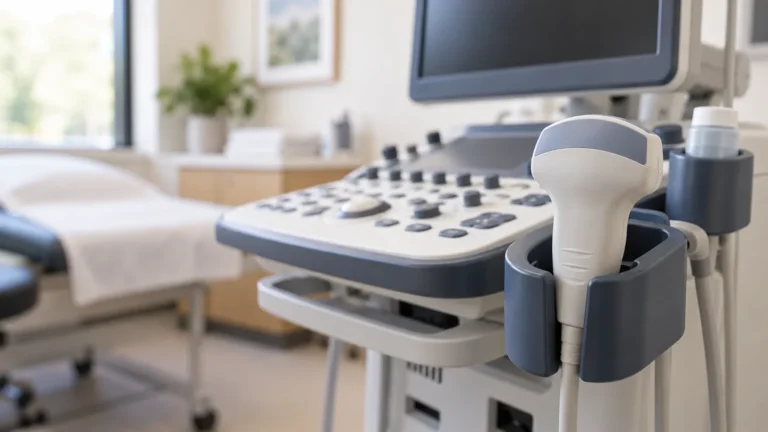
    Imaging: Ultrasonography is the most commonly used imaging modality for detecting hepatic steatosis. More advanced techniques, such as transient elastography (FibroScan) and magnetic resonance imaging-proton density fat fraction (MRI-PDFF), provide valuable information about liver stiffness and fat content.

    1. Biomarkers: Several serum biomarkers and scoring systems, such as the NAFLD fibrosis score (NFS), FIB-4, and AST-to-platelet ratio index (APRI), can help assess the severity of fibrosis and the likelihood of NASH.
    2. Liver biopsy: Although invasive, liver biopsy is the only definitive method for distinguishing between simple steatosis and NASH and for staging fibrosis.

    Management and Treatment

    The management of FLD focuses on treating the underlying metabolic disorders and preventing disease progression. Although no specific pharmacotherapy for FLD has been approved, Choline supplementation (like LiverGuard), is the way to prevent and reduce liver fat accumulation, as per EFSA (European Food Safety Authority).

    Weight loss through dietary changes and physical activity can be beneficial for the liver and overall health, especially in obese patients.

    Prognosis and Complications

    Though hepatic steatosis alone may not result in overt liver dysfunction, it creates a metabolic environment conducive to further liver and overall health injury.

    Complications

    Oxidative Stress and Mitochondrial Dysfunction

    The accumulation of free fatty acids (FFAs) in hepatocytes leads to increased fatty acid oxidation, generating reactive oxygen species (ROS). ROS production overwhelms the liver’s antioxidant defenses, resulting in oxidative stress, causing Mitochondrial Damage and Lipid Peroxidation. Zinc is one of the nutrients that antioxidant defence depends on — as part of copper-zinc superoxide dismutase and through the induction of metallothionein — which is why zinc status becomes relevant once oxidative stress is the driving force.

    Key Liver Functions Suppressed by Liver Fat Accumulation

    The accumulation of fat in the liver disrupts several critical hepatic functions:

    1. Glucose Metabolism:
      • Gluconeogenesis and Glycogen Storage: Hepatic steatosis impairs glucose regulation, contributing to hyperglycemia and increasing the risk of type 2 diabetes mellitus (T2DM).
    2. Lipid Metabolism:
      • VLDL Secretion: Decreased export of triglycerides exacerbates hepatic fat accumulation, promoting systemic dyslipidemia (increased serum triglycerides and reduced HDL cholesterol).
    3. Detoxification:
      • Ammonia Clearance: Impaired urea cycle function in advanced NAFLD can lead to hyperammonemia, resulting in hepatic encephalopathy.
      • Drug Metabolism: The liver’s ability to detoxify xenobiotics is compromised, increasing susceptibility to drug toxicity and adverse reactions.
    4. Protein Synthesis:
      • Clotting Factors and Albumin: Reduced synthesis of coagulation proteins increases the risk of bleeding, while decreased albumin production contributes to edema and ascites.
    5. Bile Production:
      • Fat Digestion and Vitamin Absorption: Impaired bile secretion reduces the absorption of fat-soluble vitamins (A, D, E, K), leading to deficiencies.

    Systemic Consequences of FLD

    While the liver is the primary organ affected in FLD, fat deposition and the resultant inflammatory and metabolic disruptions have widespread consequences beyond the liver.

    1. Cardiovascular Disease (CVD)

    FLD is closely associated with cardiovascular diseases, which represent the leading cause of mortality in FLD patients. Key mechanisms include:

    • Atherosclerosis: Systemic inflammation, oxidative stress, and dyslipidemia promote endothelial dysfunction and plaque formation in arteries.
    • Hypertension and Heart Failure: Elevated blood pressure and impaired cardiac function are common in advanced FLD.

    2. Type 2 Diabetes Mellitus (T2DM)

    Insulin resistance is central to the pathogenesis of FLD, and as the disease progresses, it exacerbates systemic insulin resistance, increasing the risk of developing T2DM. Hepatic insulin resistance further impairs glucose metabolism, creating a vicious cycle between FLD and diabetes.

    3. Chronic Kidney Disease (CKD)

    FLD is an independent risk factor for CKD. Mechanisms include:

    • Systemic Inflammation: Chronic inflammation and oxidative stress contribute to kidney damage.
    • Endothelial Dysfunction: Shared risk factors like insulin resistance and hypertension promote renal dysfunction.

    4. Endocrine Disorders

    FLD is associated with a number of endocrine disorders, including:

    • Polycystic Ovary Syndrome (PCOS): Insulin resistance links FLD to PCOS, a common endocrine disorder in women.
    • Hypothyroidism: Thyroid dysfunction, particularly hypothyroidism, is more prevalent in FLD patients and may exacerbate metabolic disturbances.

    5. Sleep Apnea

    Obstructive sleep apnea (OSA) is frequently observed in FLD patients. The pathophysiological link is thought to involve shared risk factors, such as obesity, as well as systemic inflammation, which may contribute to airway collapse during sleep.

    6. Malignancies

    In addition to hepatocellular carcinoma (HCC), FLD has been associated with an increased risk of extrahepatic malignancies, including colorectal, breast, and pancreatic cancers. Chronic inflammation and altered immune surveillance are thought to underlie this increased cancer risk.

    Conclusion

    FLD is not merely a liver-specific disorder; it represents a systemic disease with far-reaching consequences. Fat deposition in the liver disrupts a range of hepatic functions, primarily through oxidative stress, inflammation, and insulin resistance. As FLD progresses, it not only impairs the liver’s ability to regulate metabolism, detoxify toxins, and synthesize essential proteins, but it also predisposes patients to a wide array of extrahepatic diseases, including cardiovascular disease, type 2 diabetes, chronic kidney disease, and various malignancies.

    FLD has a variable prognosis, largely dependent on the amount of fat accumulated in the liver and the degree of fibrosis. While simple steatosis generally has a benign course, NASH can progress to cirrhosis in 15-20% of patients, with an increased risk of liver-related complications, including HCC. Cardiovascular disease (CVD) remains the leading cause of death in patients with FLD, highlighting the importance of managing associated metabolic disorders.


    References

    • Abenavoli, L., Milic, N., Di Renzo, L., et al. (2016). Metabolic aspects of adult patients with nonalcoholic fatty liver disease. World Journal of Gastroenterology, 22(31), 7006-7016. DOI: 10.3748/wjg.v22.i31.7006
    • Friedman, S. L., Neuschwander-Tetri, B. A., Rinella, M., & Sanyal, A. J. (2018). Mechanisms of NAFLD development and therapeutic strategies. Nature Medicine, 24(7), 908-922. DOI: 10.1038/s41591-018-0104-9
    • Targher, G., Day, C. P., & Bonora, E. (2010). Risk of cardiovascular disease in patients with nonalcoholic fatty liver disease. New England Journal of Medicine, 363(14), 1341-1350. DOI: 10.1056/NEJMra0912063
  • The Risks of Gallstone Formation in People with NAFLD

    The Risks of Gallstone Formation in People with NAFLD

    Introduction

    Metabolic dysfunction-associated steatotic liver disease (MASLD, still widely known as non-alcoholic fatty liver disease or NAFLD) is a growing health concern worldwide, primarily driven by the increasing rates of obesity and metabolic syndrome. NAFLD encompasses a spectrum of liver conditions ranging from simple steatosis (fat accumulation in the liver) to non-alcoholic steatohepatitis (NASH), which can lead to fibrosis, cirrhosis, and liver failure.

    Among the many complications of NAFLD, gallstone formation is a significant yet often overlooked issue. The presence of both NAFLD and gallstones creates a vicious cycle that can exacerbate metabolic dysfunction and liver disease. Understanding the connection between NAFLD and gallstones is critical for both prevention and treatment, and emerging evidence suggests that certain supplements like choline, inositol, methionine, and taurine may play a key role in reducing the risk of gallstone formation in people with NAFLD.

    The Link Between NAFLD and Gallstones

    Gallstones are hardened deposits that form in the gallbladder, most commonly made of cholesterol or bilirubin. The gallbladder stores bile, a substance produced by the liver to help digest fats. NAFLD can disrupt this process in several ways, increasing the risk of gallstone formation:

    1. Impaired Bile Production: NAFLD often leads to a reduction in bile acid production. Bile acids are crucial for dissolving cholesterol in bile. When bile becomes supersaturated with cholesterol, gallstones can form.
    2. Altered Lipid Metabolism: NAFLD is associated with insulin resistance, which alters lipid metabolism and increases the concentration of cholesterol in the bile, another key factor in gallstone formation.
    3. Slow Gallbladder Emptying: People with NAFLD may experience slower gallbladder motility, which means that bile stays in the gallbladder longer, increasing the likelihood of cholesterol crystallization and gallstone formation.
    4. Obesity and Rapid Weight Loss: Obesity, a common feature of NAFLD, is a major risk factor for gallstones. Rapid weight loss, which is sometimes undertaken to reverse NAFLD, can paradoxically increase the risk of gallstones due to rapid changes in bile composition.

    How Supplements Can Help Reduce Gallstone Risk

    Emerging research indicates that supplementation with specific nutrients—choline, inositol, methionine, and taurine—can improve liver function and reduce the risk of gallstone formation in individuals with NAFLD. These compounds work by supporting bile metabolism, enhancing liver detoxification, and promoting healthy lipid levels.

    1. Choline

    • Role in Liver and Gallbladder Health: Choline is a crucial nutrient for liver function and fat metabolism. It is a precursor to phosphatidylcholine, a component of bile that helps emulsify fats for digestion. Inadequate choline intake has been linked to fatty liver disease and gallstone formation because it impairs bile production and increases cholesterol in bile.
    • Impact on NAFLD and Gallstones: Supplementing with choline improves bile flow, reduces liver fat accumulation, and may lower the cholesterol saturation of bile, reducing the risk of gallstones.

    2. Inositol

    • Role in Lipid Metabolism: Inositol is involved in cell membrane formation and insulin signaling. It helps regulate lipid metabolism and reduces insulin resistance, both of which are important factors in NAFLD and gallstone prevention.
    • Impact on NAFLD and Gallstones: Inositol supplementation has been shown to improve lipid profiles and enhance bile flow. It also helps prevent cholesterol crystallization in bile, thereby reducing gallstone risk.

    3. Methionine

    • Role in Detoxification and Bile Production: Methionine is an essential amino acid that is a precursor to glutathione, one of the body’s most important antioxidants. It also plays a role in the production of S-adenosylmethionine (SAMe), which is involved in methylation reactions necessary for liver detoxification and bile production.
    • Impact on NAFLD and Gallstones: Methionine helps improve liver function and bile secretion, thus lowering the risk of gallstones. By promoting methylation and detoxification processes, methionine supports overall liver health in individuals with NAFLD.

    4. Taurine

    • Role in Bile Acid Conjugation: Taurine is an amino acid that is essential for conjugating bile acids, which increases their solubility and prevents cholesterol from crystallizing. This is especially important for maintaining healthy bile composition and preventing gallstone formation.
    • Impact on NAFLD and Gallstones: Taurine supplementation has been found to enhance bile acid metabolism, reduce liver inflammation, and protect against gallstone formation by improving the emulsification of fats in bile.

    Conclusion

    Gallstone formation is a common and significant complication in individuals with NAFLD, driven by disrupted bile production, altered lipid metabolism, and slow gallbladder motility. The combination of NAFLD and gallstones can worsen liver function and increase the risk of more severe liver disease. However, nutritional interventions such as supplementation with choline, inositol, methionine, and taurine offer promising strategies to reduce the risk of gallstone formation. These supplements support bile metabolism, liver detoxification, and overall lipid health, which can protect both liver and gallbladder function in people with NAFLD.

    By improving liver health and reducing the risk of gallstone formation, these supplements represent a valuable addition to lifestyle changes aimed at reversing NAFLD and preventing gallstone-related complications.


    Resources

    1. NAFLD and gallstone disease — meta-analyses: Jaruvongvanich, V., Sanguankeo, A., & Upala, S. (2016). Significant association between gallstone disease and nonalcoholic fatty liver disease: a systematic review and meta-analysis. Digestive Diseases and Sciences, 61(8), 2389-2396. DOI: 10.1007/s10620-016-4125-2
    2. Shen, S. S., Gong, J. J., Wang, X. W., et al. (2017). Promotional effect of nonalcoholic fatty liver disease on gallstone disease: a systematic review and meta-analysis. Turkish Journal of Gastroenterology, 28(1), 31-39. DOI: 10.5152/tjg.2016.0357
    3. Choline and phosphatidylcholine metabolism: Zeisel, S. H. (2006). Choline: critical role during fetal development and dietary requirements in adults. Annual Review of Nutrition, 26, 229-250. DOI: 10.1146/annurev.nutr.26.061505.111156
    4. Inositol and lipid metabolism: Croze, M. L., & Soulage, C. O. (2013). Potential role and therapeutic interests of myo-inositol in metabolic diseases. Biochimie, 95(10), 1811-1827. DOI: 10.1016/j.biochi.2013.05.011
    5. Methionine, SAMe and liver function: Mato, J. M., & Lu, S. C. (2007). Role of S-adenosyl-L-methionine in liver health and injury. Hepatology, 45(5), 1306-1312. DOI: 10.1002/hep.21650
    6. Taurine as a bile-acid conjugate: Schaffer, S. W., & Kim, H. W. (2018). Effects and mechanisms of taurine as a therapeutic agent. Biomolecules & Therapeutics, 26(3), 225-241. DOI: 10.4062/biomolther.2017.251
  • Leaky Gut’s Effect on Fatty Liver: A Scientific Perspective

    Leaky Gut’s Effect on Fatty Liver: A Scientific Perspective

    Fatty liver disease, has become a significant health concern globally, affecting millions. This condition ranges from simple fat accumulation in the liver to more severe forms like non-alcoholic steatohepatitis (NASH), which can lead to liver fibrosis, cirrhosis, and even liver cancer. Emerging scientific research suggests a strong connection between gut health and liver health—especially in the context of a “leaky gut.”

    Understanding the Leaky Gut and Its Role in Fatty Liver

    The term “leaky gut” refers to increased intestinal permeability, a condition in which the gut’s tight junctions between cells become compromised. This leads to the passage of bacteria, toxins, and other harmful molecules like lipopolysaccharides (LPS) into the bloodstream. Once these substances reach the liver through the portal vein, they can trigger inflammation and contribute to the progression of fatty liver disease.

    Scientific Evidence: A high-fat diet (HFD) is one of the leading factors in both gut dysbiosis (an imbalance in the gut microbiota) and leaky gut. Scientific studies have shown that individuals with metabolic dysfunction-associated steatotic liver disease (MASLD, formerly NAFLD) or NASH often exhibit higher levels of intestinal permeability. This leaky gut allows for bacterial endotoxins like LPS to enter the bloodstream and activate inflammatory pathways in the liver, particularly the TLR4/NF-κB pathway. This inflammatory cascade promotes fat accumulation, oxidative stress, and liver cell damage, thereby accelerating the progression of fatty liver disease.

    In one study, ginger essential oil (GEO) was shown to alleviate NASH by improving gut health and reducing intestinal permeability, thus preventing the translocation of LPS into the liver. This highlights the critical role that gut integrity plays in protecting the liver from inflammatory damage​.

    Nutrients That Can Help Reverse Fatty Liver

    Fortunately, several nutrients can support both gut health and liver function, potentially reversing the damage caused by fatty liver disease. Among the most promising are choline, inositol, methionine, and taurine.

    1. Choline

    Choline is an essential nutrient for liver health, particularly in the prevention and treatment of fatty liver. Choline is a key component of phosphatidylcholine, a phospholipid crucial for fat metabolism and the transport of lipids out of the liver. When choline levels are insufficient, fat tends to accumulate in the liver, contributing to NAFLD. Studies have demonstrated that choline supplementation can improve liver fat metabolism and reduce liver fat buildup. Furthermore, choline helps maintain intestinal barrier integrity, which may indirectly reduce leaky gut and its harmful effects on the liver​.

    2. Inositol

    Inositol, a compound often grouped with B vitamins, plays a significant role in fat metabolism and insulin signaling. It helps regulate lipid levels in the liver by influencing pathways involved in fat transport and storage. Inositol supplementation has been shown to improve liver function, reduce insulin resistance (a major driver of fatty liver), and support overall metabolic health. By enhancing lipid metabolism, inositol can help reduce the fat accumulation that contributes to both NAFLD and NASH​.

    3. Methionine

    Methionine is an essential amino acid involved in various metabolic processes, including the synthesis of S-adenosylmethionine (SAMe), a compound crucial for liver health. SAMe plays a critical role in detoxification, and it helps protect liver cells from damage by oxidative stress. Additionally, methionine is involved in maintaining the integrity of the gut barrier. Methionine deficiency has been linked to the worsening of fatty liver, and supplementation can aid in reducing liver fat accumulation and promoting liver repair​.

    4. Taurine

    Taurine is a sulfur-containing amino acid known for its powerful antioxidant and anti-inflammatory properties. It has been shown to reduce oxidative stress in the liver, which is a major contributor to fatty liver disease progression. Taurine helps detoxify harmful substances, supports bile acid production (which aids in fat digestion), and reduces inflammation in liver cells. Importantly, taurine also has a role in gut health by reducing gut permeability, which can help prevent the onset of leaky gut and, subsequently, liver inflammation​.

    The Gut-Liver Axis: A Two-Way Street

    The relationship between the gut and liver is often described as the “gut-liver axis,” a two-way communication system. A healthy gut, populated by a diverse and balanced microbiota, can help prevent the leaky gut syndrome, thereby protecting the liver from inflammatory damage. Conversely, when the gut barrier is compromised, the liver suffers, leading to diseases like NAFLD.

    Restoring gut health through diet, prebiotics, probiotics, and specific nutrients like choline, inositol, methionine, and taurine can have a profound impact on both preventing and reversing fatty liver. These nutrients not only support liver function but also improve gut barrier integrity, reduce oxidative stress, and modulate inflammation—key processes in the management of fatty liver disease.

    Conclusion

    Leaky gut is an emerging player in the development and progression of fatty liver disease. The scientific literature strongly suggests that maintaining gut health is essential for protecting the liver. Key nutrients like choline, inositol, methionine, and taurine can help reverse fatty liver by supporting both gut integrity and liver function. Incorporating these into a well-rounded diet, along with lifestyle changes, can offer a promising approach to managing and potentially reversing fatty liver disease.

    By addressing the root cause of gut permeability and improving liver health, we can prevent the harmful cascade of inflammation and fat buildup that defines fatty liver disease.

    Resources

    1. Panyod, S., Wu, W.K., Hsieh, Y.C., et al. Ginger essential oil prevents NASH progression by blocking the NLRP3 inflammasome and remodeling the gut microbiota-LPS-TLR4 pathway in mice. Nutrition and Diabetes, 2024.
      DOI: 10.1038/s41387-024-00306-1
    2. Corbin, K.D., Zeisel, S.H. Choline metabolism provides novel insights into non-alcoholic fatty liver disease and its progression. Current Opinion in Gastroenterology, 2012.
      DOI: 10.1097/MOG.0b013e32834e7b4b
    3. Pani, A., Giossi, R., Menichelli, D., et al. (2020). Inositol and non-alcoholic fatty liver disease: a systematic review on deficiencies and supplementation. Nutrients, 12(11), 3379. DOI: 10.3390/nu12113379
    4. Caballero, F., Fernández, A., Matías, N., et al. (2010). Specific contribution of methionine and choline in nutritional nonalcoholic steatohepatitis: impact on mitochondrial S-adenosyl-L-methionine and glutathione. Journal of Biological Chemistry, 285(24), 18528-18536. DOI: 10.1074/jbc.M109.099333
    5. Murakami, S., Ono, A., Kawasaki, A., et al. (2018). Taurine attenuates the development of hepatic steatosis through the inhibition of oxidative stress in a model of nonalcoholic fatty liver disease in vivo and in vitro. Amino Acids, 50(9), 1279-1288. DOI: 10.1007/s00726-018-2605-8
  • Liver Health and Hashimoto’s: Understanding the Connection and How Nutrients Can Help

    Liver Health and Hashimoto’s: Understanding the Connection and How Nutrients Can Help

    Hashimoto’s thyroiditis is a prevalent autoimmune disorder that primarily affects the thyroid gland, leading to hypothyroidism, or an underactive thyroid. While the direct impact on thyroid function is well known, this condition also has broader metabolic implications, including effects on liver health. One of the significant challenges for individuals with Hashimoto’s is the potential for impaired lipid metabolism, which can result in fat accumulation in the liver, a condition now called metabolic dysfunction-associated steatotic liver disease (MASLD, formerly non-alcoholic fatty liver disease or NAFLD). Understanding this connection and the potential role of specific nutrients in supporting liver health is crucial for managing overall health in Hashimoto’s.

    The Link Between Hashimoto’s and Liver Health

    The thyroid gland produces hormones—mainly thyroxine (T4) and triiodothyronine (T3)—that are essential for regulating metabolism. In Hashimoto’s thyroiditis, the immune system attacks the thyroid, often leading to decreased production of these hormones. Even when T4 levels are managed with medication, the conversion of T4 to the more active T3 can be impaired. This impairment affects metabolism throughout the body, including in the liver.

    T3 is critical for lipid metabolism, helping the body break down fats for energy. When T3 levels are low, the liver’s ability to process fats efficiently diminishes, leading to fat accumulation in the liver. Over time, this can progress to NAFLD and, in more severe cases, non-alcoholic steatohepatitis (NASH) and liver fibrosis.

    How Impaired Thyroid Function Leads to Liver Fat Accumulation

    1. Reduced Metabolic Rate: With lower T3 levels, the body’s basal metabolic rate (BMR) decreases, leading to fewer calories being burned at rest and more being stored as fat.
    2. Impaired Lipid Metabolism: T3 is essential for lipid metabolism. When its levels are insufficient, the liver’s ability to metabolize lipids is compromised, leading to increased fat storage in the liver .
    3. Insulin Resistance: Hypothyroidism is often associated with insulin resistance, a condition where the body’s cells do not respond effectively to insulin. This can lead to increased fat accumulation in the liver, as insulin resistance increases the amount of free fatty acids in the bloodstream .
    4. Fatigue and Reduced Physical Activity: Fatigue, a common symptom of hypothyroidism, often leads to decreased physical activity, which further contributes to weight gain and fat accumulation.

    Nutrients That Support Liver Health and Lipid Metabolism

    While managing thyroid hormone levels is crucial, certain nutrients can also play a supportive role in promoting liver health and improving lipid metabolism in individuals with Hashimoto’s. Here are four key nutrients that may help:

    1. Choline

    Choline is a vital nutrient for liver function, particularly in the transport of fats from the liver to other parts of the body. It is crucial for the synthesis of phosphatidylcholine, a component of very low-density lipoproteins (VLDL), which are responsible for exporting fats out of the liver. Adequate choline intake can help prevent fat accumulation in the liver, reducing the risk of NAFLD .

    Dietary Sources: Eggs, liver, fish, nuts, and cruciferous vegetables.

    2. Inositol

    Inositol, particularly myo-inositol, plays a significant role in insulin signal transduction, which is essential for maintaining insulin sensitivity. Improved insulin sensitivity can help reduce fat accumulation in the liver and support overall metabolic health. Additionally, trials combining myo-inositol with selenium have reported lower TSH in people with subclinical hypothyroidism and autoimmune thyroiditis. An effect on the conversion of T4 to T3 itself has not been established.

    Dietary Sources: Fruit such as cantaloupe, oranges and other citrus, which supply free myo-inositol. Grains and legumes contain inositol too, but mostly bound as phytate, which the body absorbs poorly.

    3. Methionine

    Methionine is an essential amino acid involved in methylation processes, which are critical for liver detoxification and the synthesis of important molecules like glutathione. Methionine supports liver health by aiding in detoxification and reducing fat accumulation. Its role in producing glutathione, a potent antioxidant, helps protect liver cells from oxidative damage .

    Dietary Sources: Meat, fish, dairy products, and plant-based sources like Brazil nuts and sesame seeds.

    4. Taurine

    Taurine is an amino acid that promotes the oxidation of fatty acids, helping to reduce fat accumulation in the liver. It is also essential for bile salt formation, necessary for the digestion and absorption of dietary fats. Additionally, taurine’s antioxidant properties help protect the liver from oxidative stress, which is particularly beneficial for individuals with NAFLD .

    Dietary Sources: Meat, fish, dairy products, and some energy drinks (though supplements are also available).

    A Comprehensive Approach to Liver Health in Hashimoto’s

    While these nutrients can provide valuable support for liver health and lipid metabolism, they should be considered part of a comprehensive approach to managing Hashimoto’s thyroiditis. This approach includes:

    • Thyroid Hormone Management: Ensuring that thyroid hormone levels are appropriately managed through medication and regular monitoring.
    • Balanced Diet: Incorporating a diet rich in these nutrients, along with other liver-friendly foods, can help support overall health.
    • Physical Activity: Engaging in regular physical activity can help improve metabolic rate, enhance insulin sensitivity, and reduce fat accumulation.
    • Medical Guidance: Consulting with healthcare providers or registered dietitians before starting any new supplements or making significant dietary changes is essential, especially for individuals with existing health conditions or those taking other medications.

    Conclusion

    Liver health is a crucial aspect of overall well-being, particularly for individuals with Hashimoto’s thyroiditis. By understanding the connection between impaired thyroid function and liver fat accumulation, and by incorporating supportive nutrients like choline, inositol, methionine, and taurine, individuals can take proactive steps to manage their health. As always, a comprehensive approach that includes medical management, dietary considerations, and lifestyle adjustments is key to achieving the best outcomes.


    Sources:

    1. T3 and Lipid Metabolism: Sinha RA, Singh BK, Yen PM. Thyroid hormone regulation of hepatic lipid and carbohydrate metabolism. Trends in Endocrinology & Metabolism. 2014;25(10):538-545. doi:10.1016/j.tem.2014.07.001.
    2. Insulin Resistance and Hypothyroidism: Maratou E, Hadjidakis DJ, Kollias A, et al. Studies of insulin resistance in patients with clinical and subclinical hypothyroidism. European Journal of Endocrinology. 2009;160(5):785-790. doi:10.1530/EJE-08-0797.
    3. Choline and Liver Health: Corbin KD, Zeisel SH. Choline metabolism provides novel insights into non-alcoholic fatty liver disease and its progression. Current Opinion in Gastroenterology. 2012;28(2):159-165. doi:10.1097/MOG.0b013e32834e7b4b.
    4. Inositol and Insulin Sensitivity: Genazzani AD, Lanzoni C, Ricchieri F, Jasonni VM. Myo-inositol administration positively affects hyperinsulinemia and hormonal parameters in overweight patients with polycystic ovary syndrome. Gynecological Endocrinology. 2008;24(3):139-144. PMID: 18335328.
    5. Inositol and Thyroid Function: Nordio M, Pajalich R. Combined treatment with myo-inositol and selenium ensures euthyroidism in subclinical hypothyroid patients with autoimmune thyroiditis. Journal of Thyroid Research. 2013;2013:424163. doi:10.1155/2013/424163.
    6. Methionine, SAMe and Liver Health: Lu SC, Mato JM. S-adenosylmethionine in liver health, injury, and cancer. Physiological Reviews. 2012;92(4):1515-1542. doi:10.1152/physrev.00047.2011.
    7. Taurine and Liver Health: Miyazaki T, Matsuzaki Y. Taurine and liver diseases: a focus on the heterogeneous protective properties of taurine. Amino Acids. 2014;46(1):101-110. doi:10.1007/s00726-012-1381-0.
    8. NAFLD and Hypothyroidism: Chung GE, Kim D, Kim W, et al. Non-alcoholic fatty liver disease across the spectrum of hypothyroidism. Journal of Hepatology. 2012;57(1):150-156. doi:10.1016/j.jhep.2012.02.027.
  • The Hidden Dangers of Liver Fat: A Small Problem with Big Consequences

    The Hidden Dangers of Liver Fat: A Small Problem with Big Consequences

    Fat in the human body serves several critical functions, from storing energy to cushioning vital organs. However, not all fat is created equal. While many of us are aware of the fat that lies just beneath our skin, known as subcutaneous fat, there is another, less visible type of fat that can be far more dangerous: liver fat. Even a small increase in fat within the liver can have serious health consequences, making it crucial to understand how to manage this often-overlooked issue.

    Types of Fat in the Body

    In an average man who is 175 cm tall and weighs 75 kg, fat is distributed in several key areas:

    1. Subcutaneous Fat: This is the fat stored just under the skin and makes up about 80-90% of total body fat, amounting to roughly 9 to 13.5 kg. It serves as insulation and protection for the body.
    2. Visceral Fat: Found around internal organs like the liver and intestines, visceral fat is more dangerous than subcutaneous fat. It accounts for about 10-20% of total body fat, or approximately 1.1 to 3 kg.
    3. Intramuscular Fat: This fat is stored within muscles and comprises about 5-10% of total body fat, or 0.5 to 1.5 kg. It serves as an energy reserve during exercise.
    4. Liver Fat: Fat stored within the liver, ideally less than 5% of the liver’s weight. For a liver that weighs 1.5 to 2 kg, this translates to just 75 to 100 grams of fat.

    The Danger of Excess Liver Fat

    While it’s normal to have a small amount of fat in the liver, even a slight increase can lead to serious health issues. When the liver’s fat content exceeds 5%, it results in metabolic dysfunction-associated steatotic liver disease (MASLD), still widely known as non-alcoholic fatty liver disease or NAFLD. For a man of average size, this means that just an additional 100 grams of fat in the liver can push it into the dangerous territory.

    NAFLD is not just a minor inconvenience. It impairs the liver’s ability to perform its essential functions, including detoxifying the blood, producing bile for digestion, and managing glucose and fat metabolism. As the liver becomes increasingly fatty, it can lead to inflammation and progress to a more severe condition called non-alcoholic steatohepatitis (NASH). NASH can further develop into cirrhosis, liver failure, or liver cancer.

    What makes NAFLD particularly alarming is that it often shows no symptoms until significant damage has occurred. By the time symptoms like fatigue, abdominal discomfort, or jaundice appear, the liver may already be severely compromised.

    How Much Fat Needs to Be Removed?

    To return a fatty liver to a healthy state, the goal is to reduce the liver fat content to less than 5% of the liver’s weight. For an average man, this means the liver fat should be reduced to 75-100 grams. If the liver has accumulated more fat—say, 150 to 400 grams—this means removing anywhere from 50 to 300 grams of fat to restore normal liver function.

    Standard Approach for Fatty Liver Removal: Diet and Lifestyle Changes

    The most common method for reducing liver fat involves diet and lifestyle modifications. These typically include:

    • Caloric Restriction: Reducing overall calorie intake to promote weight loss.
    • Low-Carbohydrate Diet: Minimizing the intake of sugars and refined carbohydrates, which can contribute to fat accumulation in the liver.
    • Increased Physical Activity: Engaging in regular exercise to burn fat and improve liver function.

    This approach can be quite restrictive. It often requires individuals to significantly alter their eating habits, cutting out many foods they enjoy. The strictness of this diet can make it difficult to adhere to over the long term, potentially leading to frustration and relapse. Unfortunately, most people fail to follow this regiment long enough to see tangible results.

    A Less Restrictive Approach: Essential Nutrients for Liver Health

    Fortunately, there are nutrients that can help reduce liver fat without the need for a highly restrictive diet. These include:

    • Choline prevents fat accumulation by helping to transport fats out of the liver.
    • Inositol improves insulin sensitivity and regulates lipid metabolism, reducing the liver’s fat burden.
    • Methionine supports detoxification and lipid metabolism, aiding in the removal of fats from the liver.
    • Taurine improves fat digestion through bile acid conjugation and protects the liver from oxidative damage.
    • Zinc contributes to antioxidant defence and helps maintain the gut barrier, limiting the inflammatory load that reaches the liver.

    Incorporating these nutrients into your diet can provide significant benefits in reducing liver fat without the need for drastic dietary changes.

    LiverGuard is specifically formulated with this goal in mind. Provide you with the proper amount of those essential nutrients, so you can give your liver a chance to release the accumulated fat, without the restrictive diet. LiverGuard gives the people the option to have more manageable way to support liver health and prevent the progression of NAFLD.

    Conclusion

    Liver fat, even in small amounts, poses significant health risks. Just an additional 100 grams of fat can push the liver into a diseased state, leading to conditions that are difficult to reverse and may have serious, long-term consequences. Traditional approaches to reducing liver fat often require restrictive diets that can be challenging to maintain. However, by incorporating essential nutrients like choline, inositol, methionine, and taurine into your diet, you can help manage liver fat more effectively and comfortably. Protecting your liver is critical, and understanding the impact of liver fat is the first step toward better health.


    References

    1. Farrell, G. C., & Larter, C. Z. (2006). Nonalcoholic Fatty Liver Disease: From Steatosis to Cirrhosis. Hepatology, 43(S1), S99-S112. https://doi.org/10.1002/hep.20973
    2. Rinella, M. E. (2015). Nonalcoholic Fatty Liver Disease: A Systematic Review. JAMA, 313(22), 2263-2273. https://doi.org/10.1001/jama.2015.5370
    3. Chalasani, N., Younossi, Z., Lavine, J. E., Diehl, A. M., Brunt, E. M., Cusi, K., … & Sanyal, A. J. (2012). The diagnosis and management of non‐alcoholic fatty liver disease: Practice Guideline by the American Gastroenterological Association, American Association for the Study of Liver Diseases, and American College of Gastroenterology. Hepatology, 55(6), 2005-2023. https://doi.org/10.1002/hep.25762
    4. Zeisel, S. H. (2006). Choline: critical role during fetal development and dietary requirements in adults. Annual Review of Nutrition, 26, 229-250. DOI: 10.1146/annurev.nutr.26.061505.111156
    5. Michell, R. H. (2008). Inositol derivatives: Evolution and functions. Nature Reviews Molecular Cell Biology, 9(2), 151-161. https://doi.org/10.1038/nrm2334
    6. Brosnan, J. T., & Brosnan, M. E. (2006). The Sulfur-Containing Amino Acids: An Overview. The Journal of Nutrition, 136(6), 1636S-1640S. https://doi.org/10.1093/jn/136.6.1636S
    7. Jong, C. J., Azuma, J., & Schaffer, S. (2012). Mechanism underlying the antioxidant activity of taurine: prevention of mitochondrial oxidant production. Amino Acids, 42(6), 2223-2232. DOI: 10.1007/s00726-011-0962-7