

Overview: Inositol is a naturally occurring carbohydrate that plays a role in many cellular processes. It was once grouped with the B vitamins, but the body makes its own, mainly in the kidneys, so it is not considered an essential nutrient. It is part of cell-membrane phospholipids and of the signalling molecules cells use to respond to insulin and other hormones. Inositol is present in various dietary sources and is also available as a supplement.
Biochemical Role and Functions of Inositol
- Cell Membrane Integrity and Signaling:
- Inositol is a key component of phospholipids, particularly phosphatidylinositol, which are essential for maintaining the integrity and functionality of cell membranes.
- It acts as a precursor for inositol phosphates, which are crucial signaling molecules involved in various cellular processes, including cell growth, differentiation, and survival.
- Insulin Signal Transduction:
- Inositol is involved in insulin signal transduction: inositol-containing molecules act as messengers downstream of the insulin receptor, relaying insulin’s signal inside the cell.
- Neurotransmitter Regulation:
- Phosphoinositide signalling relays messages from several neurotransmitter receptors in the brain, including some serotonin receptors.
Importance of Inositol for Health
- Liver Health:
- Lipid Metabolism: In animal studies, a diet lacking inositol leads to fat building up in the liver, and adding inositol lowers liver triglycerides and cholesterol. In people, the evidence so far is one small trial with a related compound, pinitol.
- Metabolic Health:
- Insulin Sensitivity: In a meta-analysis of randomised trials in women with polycystic ovary syndrome, myo-inositol lowered fasting insulin and HOMA-IR, a marker of insulin resistance. Whether it has the same effect in other groups is less clear.
- Polycystic Ovary Syndrome (PCOS): Most human research on inositol comes from women with PCOS, a condition in which insulin resistance is common.
- Mental Health:
- Mood: High doses of inositol, measured in grams a day, have been tested in small trials for depression and anxiety disorders; a meta-analysis found no significant effect overall.
- Reproductive Health:
- Hormonal Balance: Inositol is widely used in fertility care for women with PCOS. The 2023 international PCOS guideline notes possible metabolic benefits but limited evidence of benefit for ovulation, excess hair growth or weight.
Implications of Inositol Deficiency
- Liver Diseases:
- Fatty Liver Disease: In animals, an inositol-deficient diet causes fat to build up in the liver. A dietary deficiency has not been described in healthy people, because the body makes its own inositol.
- Metabolic Disorders:
- Insulin Resistance: In research the link runs the other way: people with insulin resistance and type 2 diabetes lose more inositol in their urine and show altered inositol levels in tissues.
- PCOS: Altered inositol handling in the ovary and in insulin-sensitive tissues has been proposed as one reason why PCOS and insulin resistance so often go together.
Dietary Sources of Inositol
Inositol is found in many foods, but not always in a form the body can use. Key sources include:
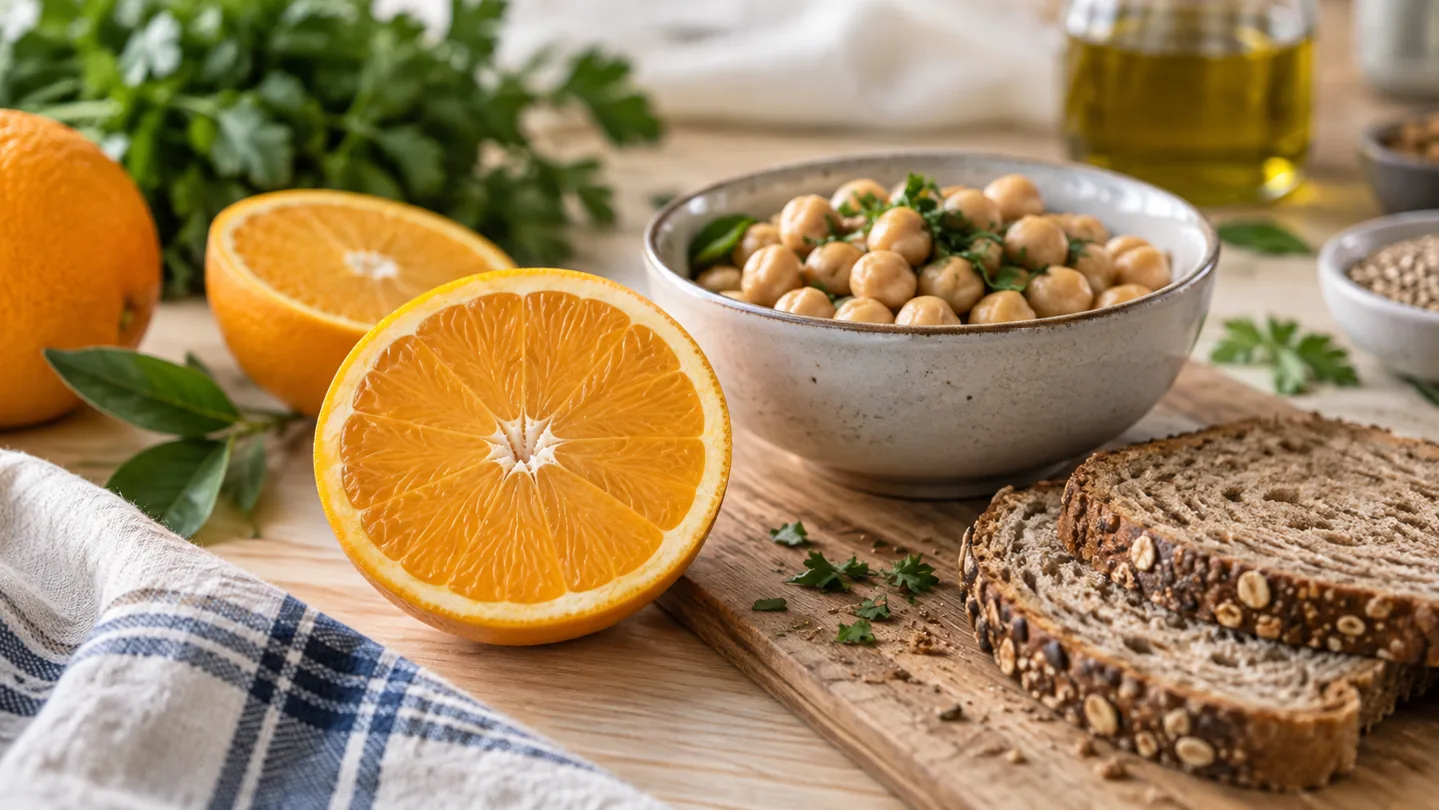
- Fruits: Citrus fruits and melons.
- Vegetables: Beans, peas, lentils, and leafy greens.
- Whole Grains: Brown rice, oats, and bran.
- Nuts and Seeds: Almonds, walnuts, and sesame seeds.
Interesting fact: One dose of LiverGuard provides 850 mg of inositol. From food that is roughly 225 g of grapefruit juice (about one cup) or a quarter of a melon — but only the free myo-inositol found in fruit counts. The inositol in grains and legumes is bound to phytate and is largely unavailable to the body, which is why bread and bran look far richer on paper than they are in practice.
Conclusion
Inositol is a building block of cell membranes and of the messengers cells use to respond to insulin. The strongest human research on supplements comes from PCOS; for the liver, the evidence so far is mostly from animal studies. In LiverGuard we paired 850 mg of inositol with choline, which contributes to the maintenance of normal liver function; the product page shows the full label if you want to see how the formula fits together.
References
- Croze, M. L., & Soulage, C. O. (2013). Potential role and therapeutic interests of myo-inositol in metabolic diseases. Biochimie, 95(10), 1811-1827. DOI: 10.1016/j.biochi.2013.05.011
- Pani, A., Giossi, R., Menichelli, D., et al. (2020). Inositol and Non-Alcoholic Fatty Liver Disease: A Systematic Review on Deficiencies and Supplementation. Nutrients, 12(11), 3379. DOI: 10.3390/nu12113379
- Zeisel, S. H., & da Costa, K. A. (2009). Choline: an essential nutrient for public health. Nutrition Reviews, 67(11), 615-623. DOI: 10.1111/j.1753-4887.2009.00246.x
- Bizzarri, M., & Carlomagno, G. (2014). Inositol: history of an effective therapy for polycystic ovary syndrome. European Review for Medical and Pharmacological Sciences, 18(13), 1896-1903. PMID: 25010620
- Pickett-Blakely, O., Young, K., & Carr, R. M. (2018). Micronutrients in Nonalcoholic Fatty Liver Disease Pathogenesis. Cellular and Molecular Gastroenterology and Hepatology, 6(4), 451-462. DOI: 10.1016/j.jcmgh.2018.07.004
- Berridge, M. J. (2016). The inositol trisphosphate/calcium signaling pathway in health and disease. Physiological Reviews, 96(4), 1261-1296. DOI: 10.1152/physrev.00006.2016
- Unfer, V., Facchinetti, F., Orrù, B., Giordani, B., & Nestler, J. (2017). Myo-inositol effects in women with PCOS: a meta-analysis of randomized controlled trials. Endocrine Connections, 6(8), 647-658. DOI: 10.1530/EC-17-0243
- Teede, H. J., Tay, C. T., Laven, J. J. E., et al. (2023). Recommendations From the 2023 International Evidence-based Guideline for the Assessment and Management of Polycystic Ovary Syndrome. The Journal of Clinical Endocrinology & Metabolism, 108(10), 2447-2469. DOI: 10.1210/clinem/dgad463
- Mukai, T., Kishi, T., Matsuda, Y., & Iwata, N. (2014). A meta-analysis of inositol for depression and anxiety disorders. Human Psychopharmacology: Clinical and Experimental, 29(1), 55-63. DOI: 10.1002/hup.2369
- Clements, R. S., & Darnell, B. (1980). Myo-inositol content of common foods: development of a high-myo-inositol diet. The American Journal of Clinical Nutrition, 33(9), 1954-1967. DOI: 10.1093/ajcn/33.9.1954