

The short answer: not in any way that has been demonstrated in humans. Milk thistle is the default liver supplement on cycle, and it is genuinely the most studied herbal hepatoprotective compound there is. But the specific claim – that it protects the liver against oral anabolic steroids in people – has never been tested in a clinical trial.
That is worth knowing before you build a cycle plan around it.
What silymarin actually does
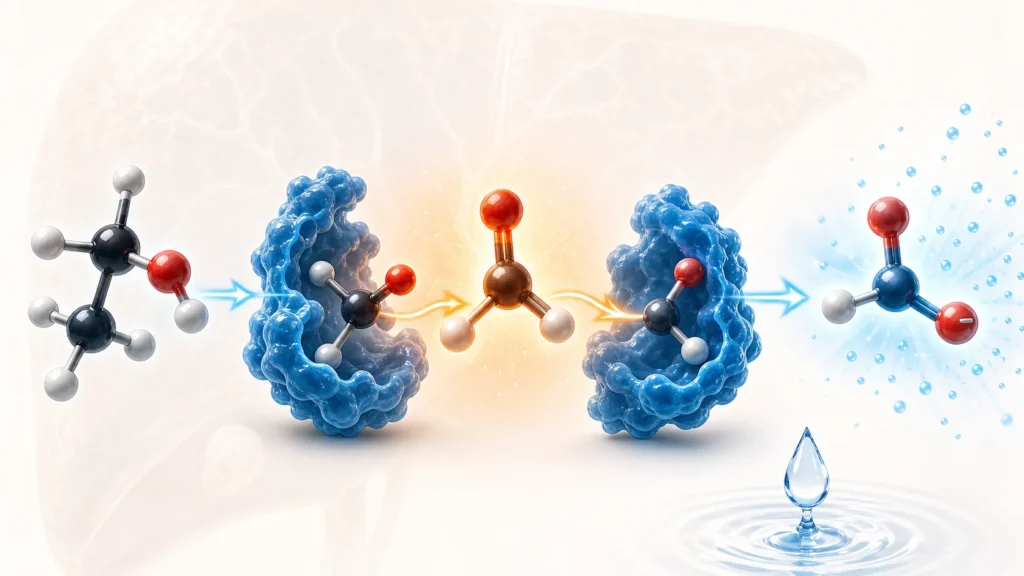
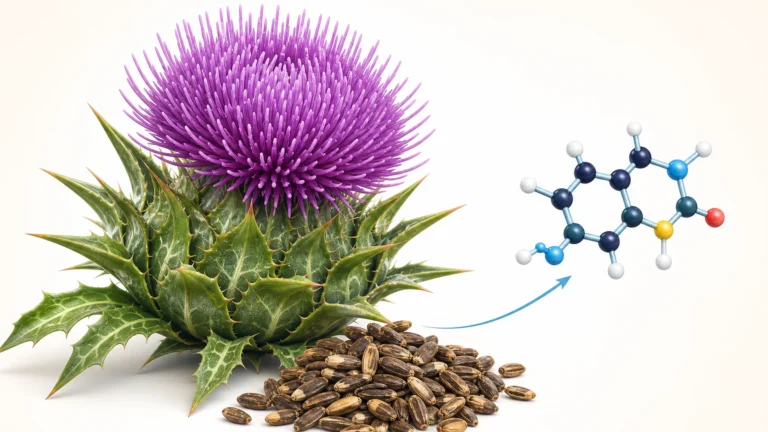
The active fraction of milk thistle is silymarin, a group of flavonolignans of which silibinin is the most studied. Its proposed mechanisms are reasonably well characterised: it acts as an antioxidant and free-radical scavenger, appears to stabilise the hepatocyte membrane against certain toxins, and has anti-inflammatory and antifibrotic activity in laboratory models.
Its best-established clinical use has nothing to do with steroids. Intravenous silibinin is a recognised treatment for Amanita phalloides (death cap) mushroom poisoning, where it competes with the toxin for hepatocyte uptake. That is a specific, time-critical mechanism against a specific toxin – not general-purpose liver armour.
What the human evidence shows
For chronic liver disease, the honest summary is that the evidence is weak and inconsistent. A Cochrane review of milk thistle in alcohol-related and hepatitis B or C liver disease found no clear evidence either supporting or refuting a benefit. Only a minority of the included trials were of high methodological quality, and when the analysis was restricted to those, the apparent mortality benefit was no longer statistically significant.
Systematic reviews of silymarin and liver enzymes do report modest reductions in ALT and AST in some populations. That is a real finding, but a fall in enzyme numbers is not the same thing as protection from structural liver injury, and the studies were not done in steroid users.
The animal data – and why it is not enough
There is animal work specifically on this question. Studies in rodents given androgenic-anabolic steroids have reported hepatoprotective effects from silymarin. That is where the widely repeated claim originates.
The problem is the gap between a rodent given a defined steroid dose in a controlled experiment and a human running a stacked oral cycle at supraphysiological doses for weeks. Animal hepatoprotection results have a long history of failing to reproduce in humans, and no human trial has closed that gap for silymarin and steroids. Anyone stating a protective effect in people is extrapolating past the data.
What milk thistle cannot do
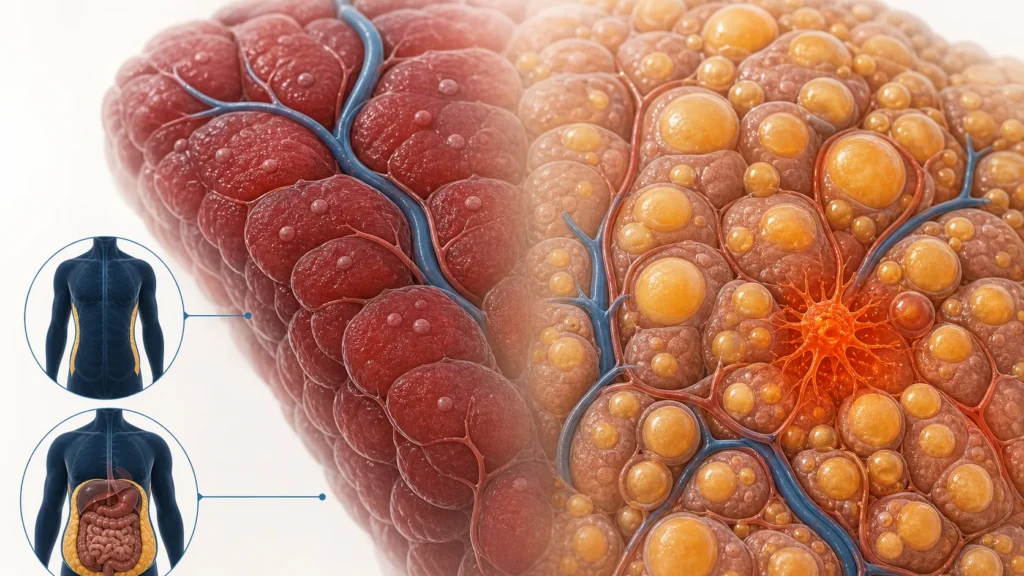
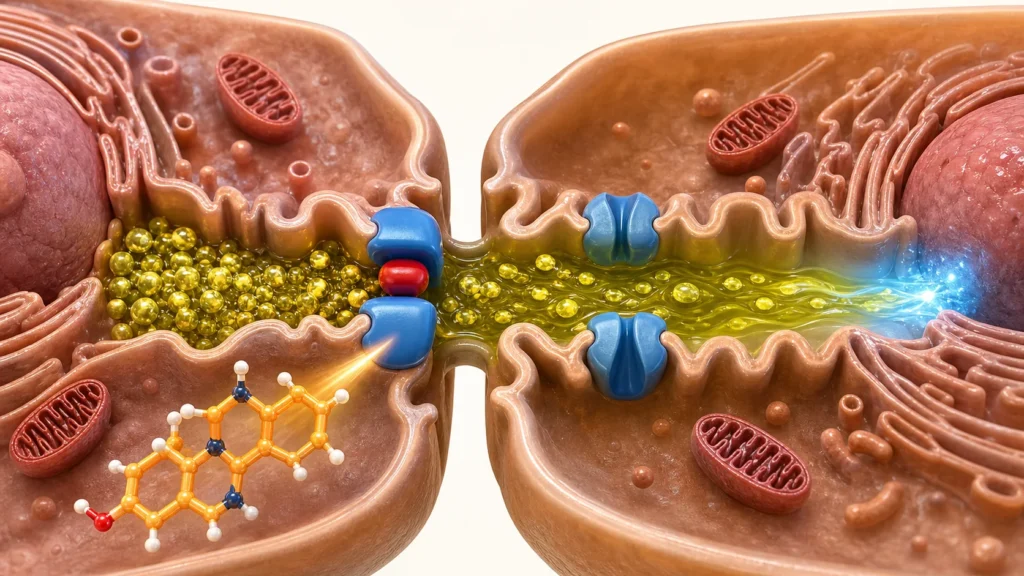
The most important limitation is mechanistic rather than statistical. The characteristic liver injury from 17-alpha-alkylated oral steroids is cholestatic – bile stops flowing properly because the steroid interferes with the bile-salt export machinery in the hepatocyte membrane. Silymarin is primarily an antioxidant and membrane stabiliser. It is not a bile-flow agent.
So even taking the animal data at face value, milk thistle is not aimed at the main way orals damage the liver. That mismatch, not the quality of the trials, is the strongest reason to be sceptical of it as on-cycle insurance.
And the blunt version: no supplement makes oral 17-alpha-alkylated steroids safe for the liver. Any page telling you otherwise is selling something.
What actually reduces risk
The interventions with real leverage are unglamorous and none of them are supplements:
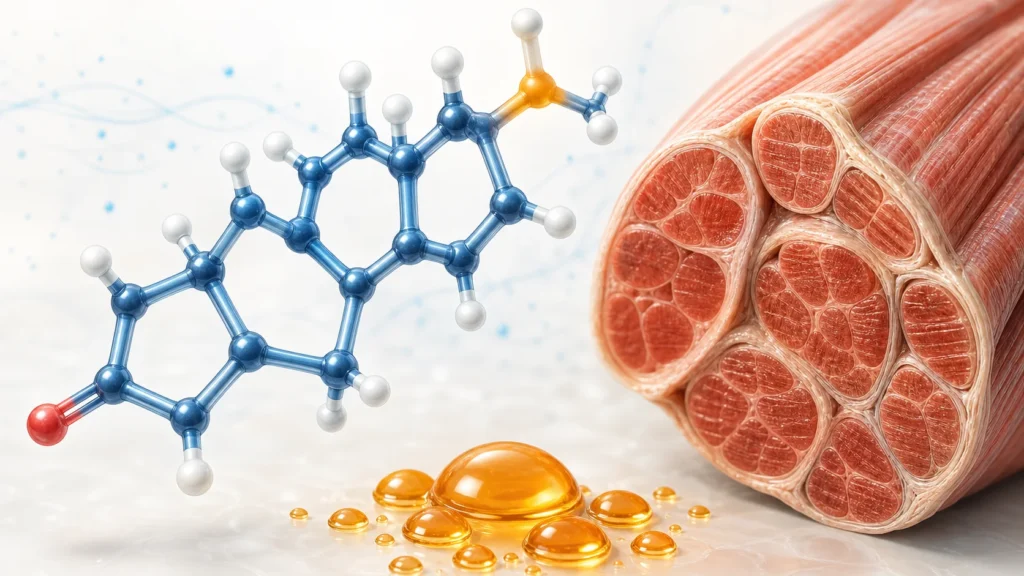
- Avoiding 17-alpha-alkylated orals altogether. Non-alkylated compounds do not carry the same hepatotoxic signature – the alkylation at carbon 17 is precisely what makes a compound orally available and hard on the liver.
- Shorter exposure and lower total dose. Hepatotoxicity from these compounds is dose- and duration-related.
- Actual blood monitoring – ALT, AST, GGT, ALP and bilirubin – before, during and after, so a problem is caught while it is still reversible.
- Not stacking with alcohol or other hepatotoxic drugs.
- Medical supervision. Cholestatic injury and its complications are not a self-managed condition.
Where nutrients do fit
Separately from the steroid question, some nutrients have established roles in ordinary liver metabolism. In the EU, choline carries authorised claims for contributing to normal lipid metabolism and to the maintenance of normal liver function. That is a statement about normal physiology, not a claim about protection from drug-induced injury, and the distinction matters.
This article is information, not medical advice. If you are using or have used anabolic steroids and have any symptom of liver trouble – yellowing of the eyes or skin, dark urine, pale stools, persistent itching, right-sided abdominal pain – stop and see a doctor rather than adding a supplement.
References
- Rambaldi, A., Jacobs, B. P., & Gluud, C. (2007). Milk thistle for alcoholic and/or hepatitis B or C virus liver diseases. Cochrane Database of Systematic Reviews, (4), CD003620. DOI: 10.1002/14651858.CD003620.pub3
- Gillessen, A., & Schmidt, H. H.-J. (2020). Silymarin as supportive treatment in liver diseases: a narrative review. Advances in Therapy, 37(4), 1279-1301. DOI: 10.1007/s12325-020-01251-y
- Radovanović, D., Jovanović, D., Mihailović, D., & Ranković, G. (2003). Hepatoprotective effects of silymarin in androgenic-anabolic steroid-induced liver damage. Medicinski Pregled, 56(Suppl 1), 79-83. PMID: 15510919
- Bond, P., Llewellyn, W., & Van Mol, P. (2016). Anabolic androgenic steroid-induced hepatotoxicity. Medical Hypotheses, 93, 150-153. DOI: 10.1016/j.mehy.2016.06.004
- LiverTox: Clinical and Research Information on Drug-Induced Liver Injury. National Institute of Diabetes and Digestive and Kidney Diseases.