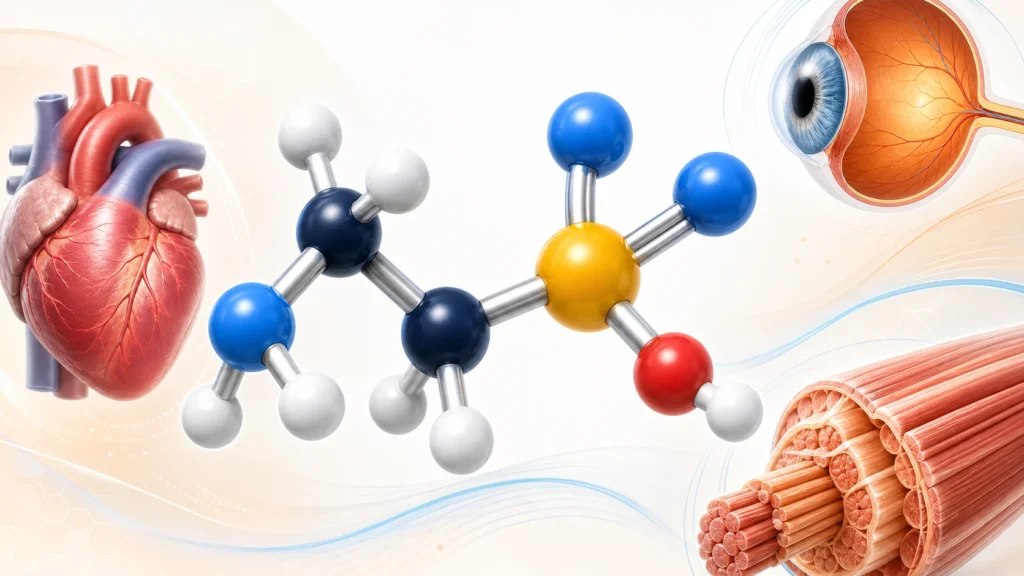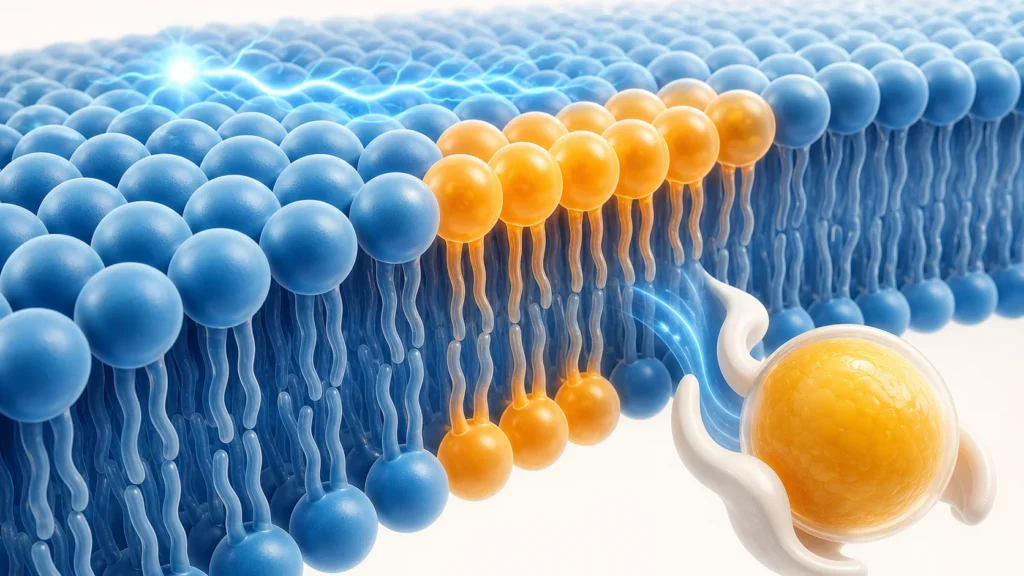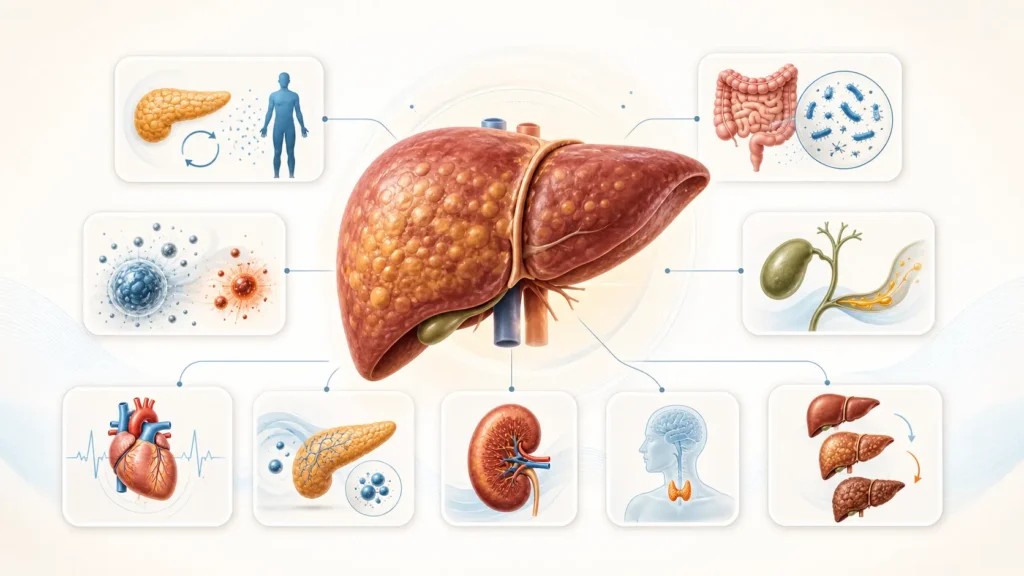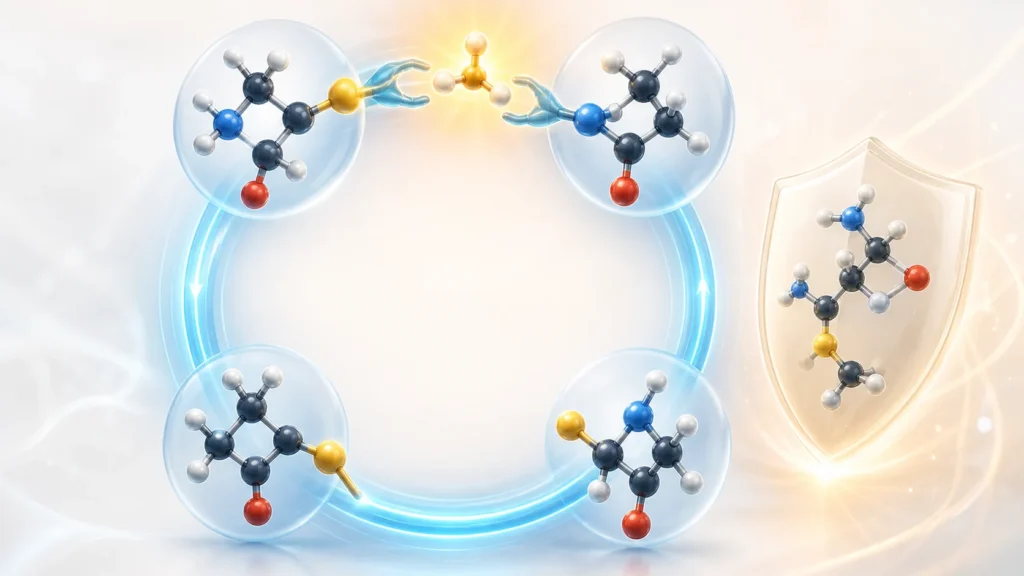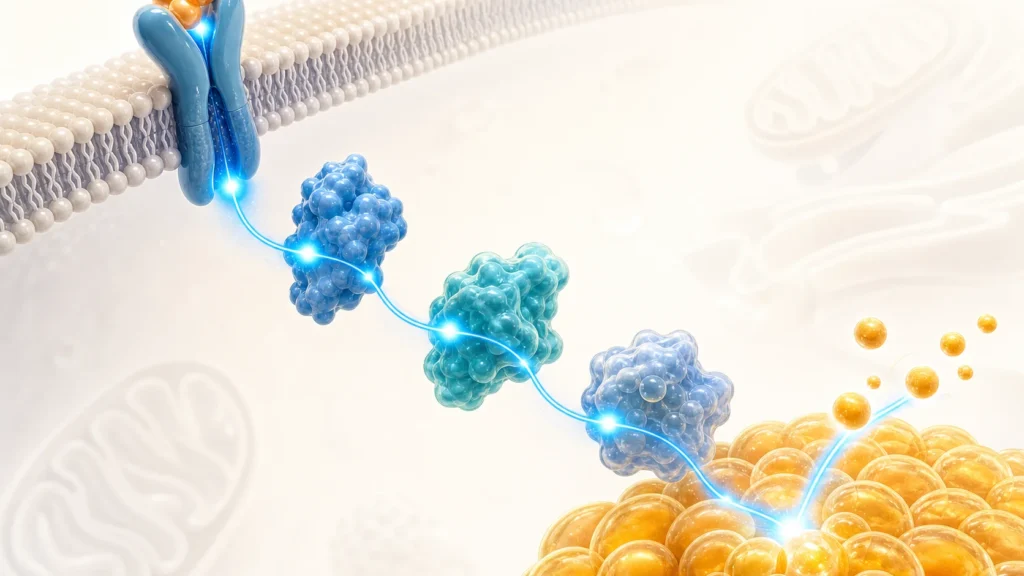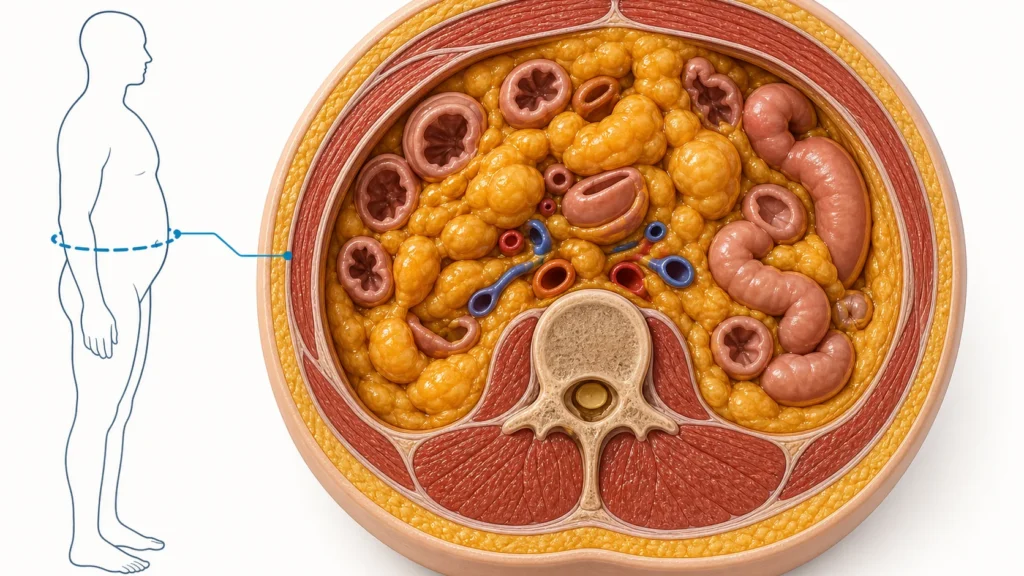


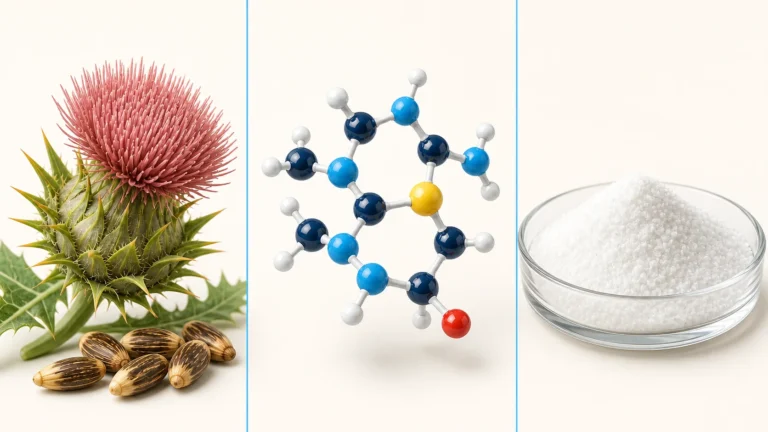
These three get discussed as if they were competing products in the same category. They are not. They have three different mechanisms, three different evidence bases, and only one of them is aimed at the way oral steroids actually damage the liver.
Comparing them properly means asking two questions of each: what does it do, and does that match the injury.
First, what the injury actually is
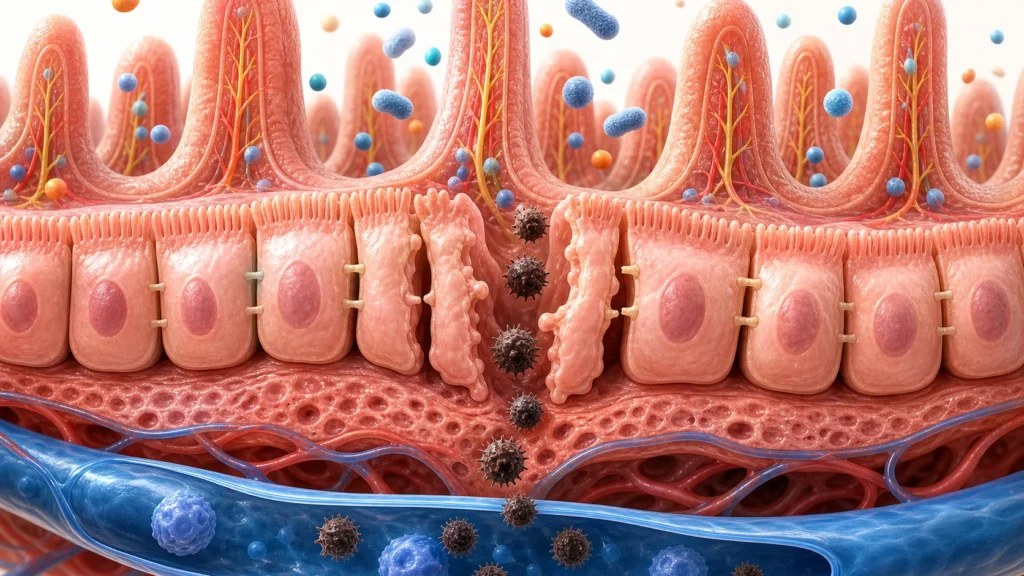
The hepatotoxicity associated with 17-alpha-alkylated oral steroids is predominantly cholestatic – impaired bile flow, driven by suppression of bile-salt transporters such as ABCB11. Oxidative stress is also consistently implicated as a contributing mechanism. The severe outcomes described in the literature include cholestatic jaundice, peliosis hepatis, and with prolonged abuse, hepatic adenoma and carcinoma.
Hold that in mind, because it is the yardstick.
Milk thistle (silymarin)
Mechanism: antioxidant and free-radical scavenger, hepatocyte membrane stabilisation, anti-inflammatory activity in laboratory models.
Match to the injury: partial. It addresses the oxidative-stress component but does nothing for bile transport.
Human evidence: weakest of the three for this purpose. A Cochrane review in alcohol-related and viral liver disease found no clear evidence for or against benefit, with the apparent mortality signal disappearing when only high-quality trials were considered. Hepatoprotection against anabolic steroids has been shown in rodents, not in people.
NAC (N-acetylcysteine)
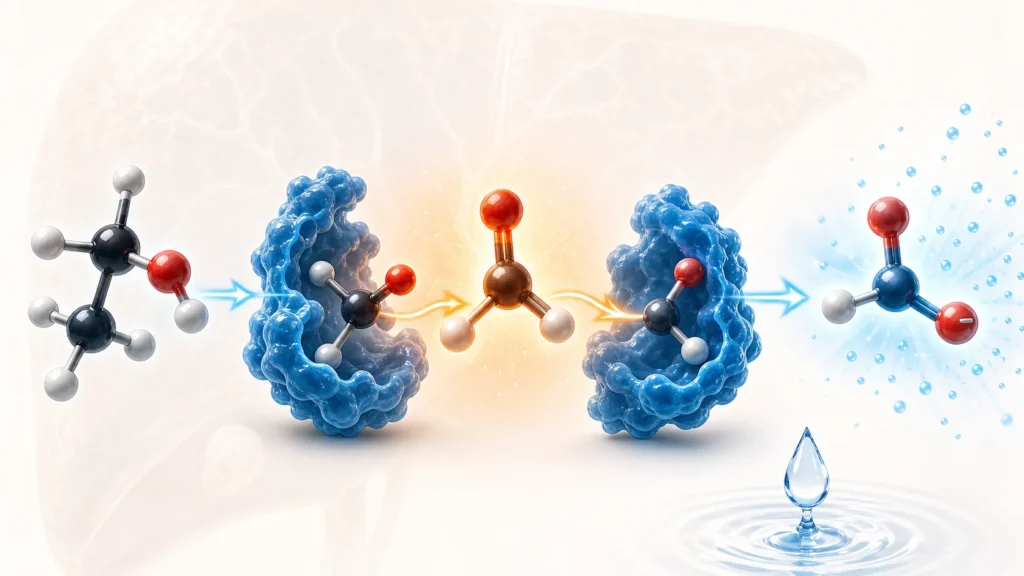
Mechanism: precursor to cysteine and therefore to glutathione, the liver primary endogenous antioxidant and conjugation substrate.
Match to the injury: partial, same limitation as silymarin. It reinforces antioxidant capacity but is not a bile-flow agent.
Human evidence: NAC has the strongest evidence of the three – for a completely different indication. It is the established, life-saving treatment for paracetamol (acetaminophen) overdose, where the injury is specifically glutathione depletion. That evidence does not transfer to steroid-induced cholestasis, and no trial has tested it there.
TUDCA
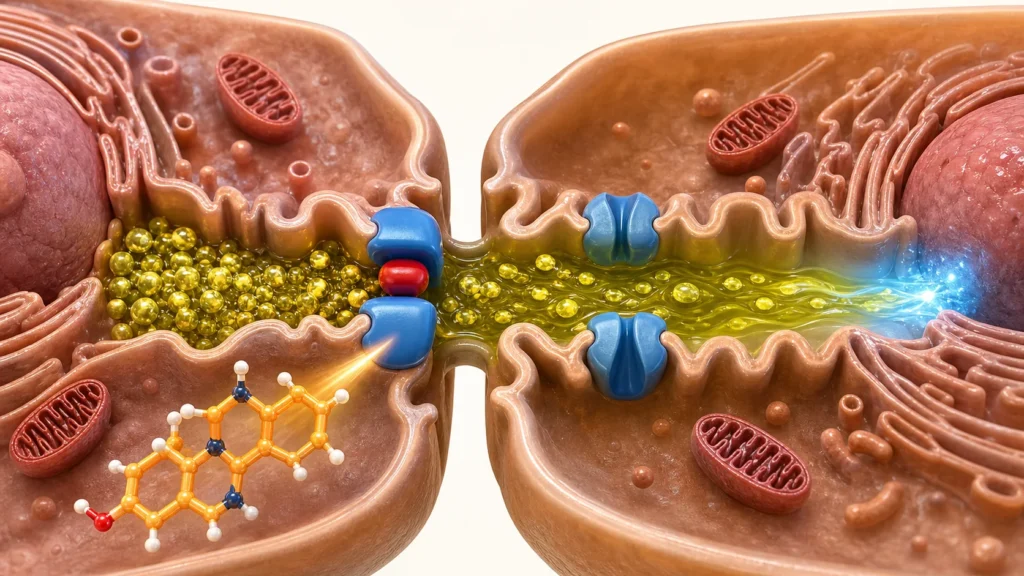
Mechanism: a non-toxic bile acid that dilutes the bile acid pool, promotes bile flow, and activates FXR and Nrf2 signalling.
Match to the injury: the best of the three, by a clear margin. Cholestasis is a bile-flow problem and TUDCA is a bile-flow agent.
Human evidence: real but indirect – comparable to UDCA in primary biliary cholangitis and other cholestatic conditions. No trial during anabolic steroid use.
The comparison in one view
- Best mechanistic fit: TUDCA. It is the only one that addresses bile transport.
- Strongest human evidence overall: NAC – but for paracetamol poisoning, not for this.
- Most widely used on cycle: milk thistle, which has the weakest case of the three for this specific purpose. Popularity here is a legacy of availability and price, not of evidence.
- Tested during steroid use: none of them. Not one.
What none of them do
None of the three prevents peliosis hepatis. None prevents hepatic adenoma. None removes the dose- and duration-dependent risk that comes with 17-alpha-alkylation. And none is a substitute for the two things that genuinely change the risk profile: not using oral alkylated compounds, and monitoring liver function properly with a clinician.
If you take one thing from this comparison, it should be that the popularity ranking and the evidence ranking of these three compounds are almost exactly inverted.
This article is information, not medical advice. It is not an endorsement of anabolic steroid use, and it is not a protocol.
Why the popularity ranking is inverted
It is worth asking why milk thistle became the default when it has the weakest case of the three here. The answer has little to do with evidence.
Silymarin has been available cheaply, over the counter, and without any regulatory friction for decades. It arrived in bodybuilding culture long before TUDCA was commercially accessible at sensible prices, and it carries the reassuring framing of a traditional herbal remedy. Once a practice becomes standard advice in a community, it tends to persist on inertia and get repeated as established fact. TUDCA, by contrast, was expensive and relatively obscure until fairly recently.
So the ranking you see in forum consensus reflects availability history, not comparative trials. That is a useful thing to notice generally: in this space, how often a supplement is recommended is a poor proxy for how well it is supported.
What about taking them together?
Stacking all three is common, and the reasoning is not unreasonable on its face – different mechanisms, so why not cover several. Two honest caveats.
First, there is no trial of the combination in this context, so any claim about additive or synergistic protection is speculation. Combining three things with no outcome evidence does not produce outcome evidence.
Second, adding compounds increases the number of things your liver is metabolising, and more supplements is not automatically more protection. Herbal products in particular are themselves a recognised cause of drug-induced liver injury – not silymarin specifically, which has a good safety record even in cirrhosis, but the category is not risk-free.
The more useful framing is that all three sit downstream of the decisions that actually matter: which compounds are used, at what dose, for how long, and whether anyone is checking bloodwork.
References
- Rambaldi, A., Jacobs, B. P., & Gluud, C. (2007). Milk thistle for alcoholic and/or hepatitis B or C virus liver diseases. Cochrane Database of Systematic Reviews, (4), CD003620. DOI: 10.1002/14651858.CD003620.pub3
- Bond, P., Llewellyn, W., & Van Mol, P. (2016). Anabolic androgenic steroid-induced hepatotoxicity. Medical Hypotheses, 93, 150-153. DOI: 10.1016/j.mehy.2016.06.004
- Gillessen, A., & Schmidt, H. H.-J. (2020). Silymarin as supportive treatment in liver diseases: a narrative review. Advances in Therapy, 37(4), 1279-1301. DOI: 10.1007/s12325-020-01251-y
- Kelly, G. S. (1998). Clinical applications of N-acetylcysteine. Alternative Medicine Review, 3(2), 114-127. PMID: 9577247
- Efficacy and Safety Study of TUDCA Compared with UDCA in Chronic Cholestatic Liver Disease (PBC), clinical trial record.