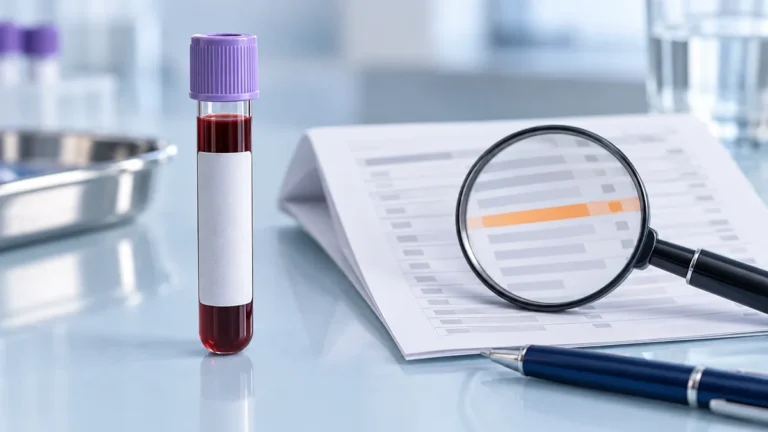
The liver, often referred to as the body’s “Powerhouse,” is fundamental to sports performance due to its critical role in energy regulation. It serves as a key organ in managing energy through glucose storage and release, fat metabolism (including turning surplus glucose into fat; the reverse works only for the small glycerol part of fat), and overall energy production, all of which significantly impact endurance during physical activity and athletic achievement. While sport enthusiasts tend to prioritize muscle strength, cardiovascular fitness, and protein intake, maintaining optimal liver function is equally essential for maximizing performance and recovery.
The liver is also central to protein metabolism: it makes most blood proteins, such as albumin, and processes the amino acids the body does not use for building tissue, turning their nitrogen into urea. This report will delve into the liver’s contributions to energy production, focusing on ATP (adenosine triphosphate) synthesis, fat metabolism, and the potential for impaired liver function to hinder endurance. Furthermore, we will look at what the evidence says about liver health and athletic performance, and examine the roles of key nutrients—such as choline, inositol, methionine, and taurine—in supporting liver function and health.
The Liver’s Role in Energy Production: ATP and Fat Metabolism
At the core of athletic performance is energy, and the liver is a central player in managing energy reserves. The primary energy currency of the body is ATP, which fuels nearly all cellular processes, including muscle contraction during physical activity. The liver is involved in several pathways that contribute to ATP production, including:
- Glycogen Storage and Release: The liver stores glucose in the form of glycogen, which can be quickly broken down into glucose and released into the bloodstream when energy is needed. During exercise, particularly in endurance sports, the body taps into glycogen stores to maintain blood glucose levels, supplying muscles with the fuel required for sustained activity.
- Gluconeogenesis: As liver glycogen falls during long exercise, the liver relies more and more on gluconeogenesis, a process where glucose is produced from non-carbohydrate sources, such as amino acids, lactate and glycerol. This helps keep blood glucose steady as the session goes on.
- Fat Metabolism and Ketogenesis: During prolonged, moderate-intensity exercise, fat supplies a large share of the energy; as intensity rises, carbohydrate takes over. Fat tissue releases fatty acids into the blood, and the liver burns part of them and converts some into ketone bodies through a process known as ketogenesis. Muscles, heart and brain can use ketones as an alternative fuel to glucose, although during exercise itself they cover only a small share of the energy.
- Lipid Transport and Storage: The liver also manages how fats are processed, stored, and transported. It synthesizes lipoproteins, which are essential for distributing triglycerides and cholesterol throughout the body. Proper fat metabolism is crucial for energy efficiency during physical activities, particularly for endurance athletes, who burn fat and glycogen side by side, with fat’s share growing as a session gets longer.
How a Underperforming Liver Impedes Endurance in Sports
An “underperforming liver” is not a medical diagnosis. The effects below are described mainly in people with liver disease, most often fatty liver linked to diet and metabolic stress; in otherwise healthy athletes they have not been studied directly. When the liver’s efficiency is compromised, the effects on athletic performance can include:
- Impaired Energy Availability: A underperforming liver struggles to effectively manage glycogen storage and gluconeogenesis. This means that during exercise, the body may not receive sufficient glucose to fuel muscles, leading to early fatigue and a decrease in endurance.
- Reduced Fat Metabolism: If the liver is not functioning optimally, fat breakdown and ketone production are also hindered. Athletes may find it harder to tap into fat stores for energy, making them more reliant on limited glycogen stores, which can deplete quickly during long-duration sports.
- Increased Toxin Load and Inflammation: The liver also plays a critical role in detoxifying the body by processing and eliminating toxins. When liver function is seriously impaired, substances the liver normally clears, such as ammonia, can build up. Whether a mildly strained liver affects inflammation, injury risk or recovery in athletes has not been tested.
- Fatigue and Poor Recovery: A underperforming liver can lead to fatigue not only during exercise but also in daily life. Additionally, poor liver function can impair recovery from workouts, reducing the ability to build muscle and recover between training sessions.
Improving Liver Function for Enhanced Athletic Performance
No trial has shown that liver-focused measures improve performance in healthy athletes, but the basics of liver health are well established. Here’s how athletes can support liver health:
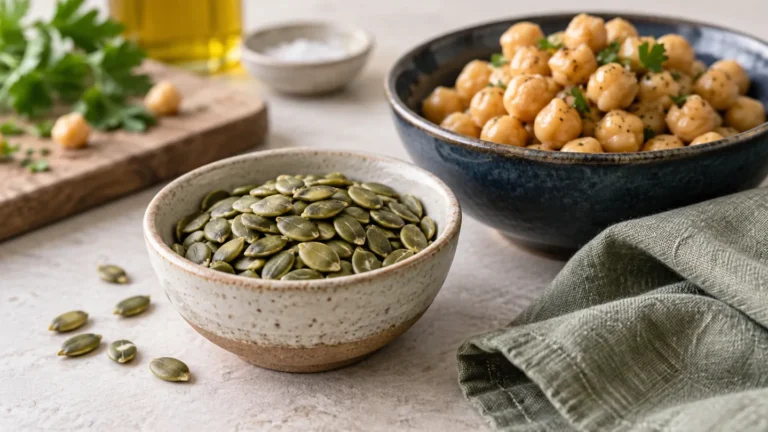
- Balanced Nutrition: A diet rich in antioxidants, lean protein and healthy fats supports liver function. Foods like leafy greens, cruciferous vegetables (broccoli, cauliflower), berries, and nuts fit the Mediterranean-style diet that the 2024 European guideline on metabolic dysfunction-associated steatotic liver disease (MASLD) recommends.
- Hydration: Adequate hydration supports performance, circulation and temperature control. The popular idea that extra water “flushes toxins” out of the liver has no evidence behind it. Athletes should still make sure they are well hydrated before, during and after exercise.
- Supplements and Liver-Supportive Nutrients: Several key nutrients play a direct role in supporting liver health and ensuring efficient energy production and fat metabolism.
- Choline: Choline contributes to normal lipid metabolism and to the maintenance of normal liver function. The liver uses it to make phosphatidylcholine, a component of cell membranes and of the particles that carry fat out of the liver. In a controlled feeding study, most men put on a low-choline diet developed fatty liver or muscle damage within weeks. If you are curious how much choline goes into a serving of LiverGuard, and what sits beside it, the label shows every dose.
- Inositol: Often paired with choline. In animal studies, inositol supplementation reduced fat build-up in the liver; in people, a 2020 systematic review found only one small trial, so its role is still open.
- Methionine: Methionine is an essential amino acid. The liver turns it into SAMe, which feeds the production of glutathione, the liver’s main antioxidant, and helps make phosphatidylcholine, the molecule fat particles need to leave the liver.
- Taurine: The liver attaches taurine (or glycine) to bile acids to make bile salts, which the gut needs to digest and absorb dietary fat. Taurine also shows antioxidant properties in laboratory and animal studies.
- Exercise and Rest: Regular exercise, aerobic or resistance, reduces liver fat. Balanced training with sufficient rest and recovery remains the best approach for both health and performance.
Conclusion: The Key to Endurance and Performance
The liver is a critical organ in sports performance, involved in regulating energy production, fat metabolism, and detoxification. Liver disease can reduce energy and exercise capacity. Proper nutrition, hydration, rest and regular training support liver health, and choline contributes to normal lipid metabolism and to the maintenance of normal liver function. Whether liver-focused measures improve endurance in healthy athletes has not been tested directly.
For athletes looking to gain an edge in their training, paying attention to liver health is a sensible part of the foundation, alongside training, sleep and diet.
Resources:
- Romijn, J. A., Coyle, E. F., Sidossis, L. S., et al. (1993). Regulation of endogenous fat and carbohydrate metabolism in relation to exercise intensity and duration. American Journal of Physiology, 265(3 Pt 1), E380-E391. DOI: 10.1152/ajpendo.1993.265.3.E380
- Ahmed, K., Choi, H. N., & Yim, J. E. (2023). The impact of taurine on obesity-induced diabetes mellitus: mechanisms underlying its effect. Endocrinology and Metabolism, 38(5), 482-492. DOI: 10.3803/enm.2023.1776
- Hashida, R., Kawaguchi, T., Bekki, M., et al. (2017). Aerobic vs. resistance exercise in non-alcoholic fatty liver disease: a systematic review. Journal of Hepatology, 66(1), 142-152. DOI: 10.1016/j.jhep.2016.08.023
- Fischer, L. M., daCosta, K. A., Kwock, L., et al. (2007). Sex and menopausal status influence human dietary requirements for the nutrient choline. American Journal of Clinical Nutrition, 85(5), 1275-1285. DOI: 10.1093/ajcn/85.5.1275
- Pani, A., Giossi, R., Menichelli, D., et al. (2020). Inositol and non-alcoholic fatty liver disease: a systematic review on deficiencies and supplementation. Nutrients, 12(11), 3379. DOI: 10.3390/nu12113379
- European Association for the Study of the Liver, European Association for the Study of Diabetes, European Association for the Study of Obesity (2024). EASL–EASD–EASO Clinical Practice Guidelines on the management of metabolic dysfunction-associated steatotic liver disease (MASLD). Journal of Hepatology, 81(3), 492-542. DOI: 10.1016/j.jhep.2024.04.031